

Explanation of the combination of industrial doors and inflatable door seals1
1. System composition and function
(1). Core equipment
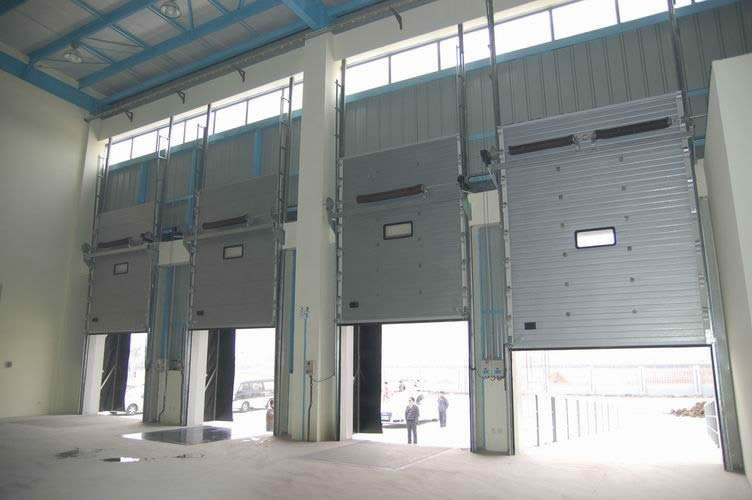
◦ Industrial doors: Commonly used types include electric sliding doors, fast rolling doors or hydraulic lift doors, which are responsible for quickly opening and closing the door openings to ensure logistics efficiency.
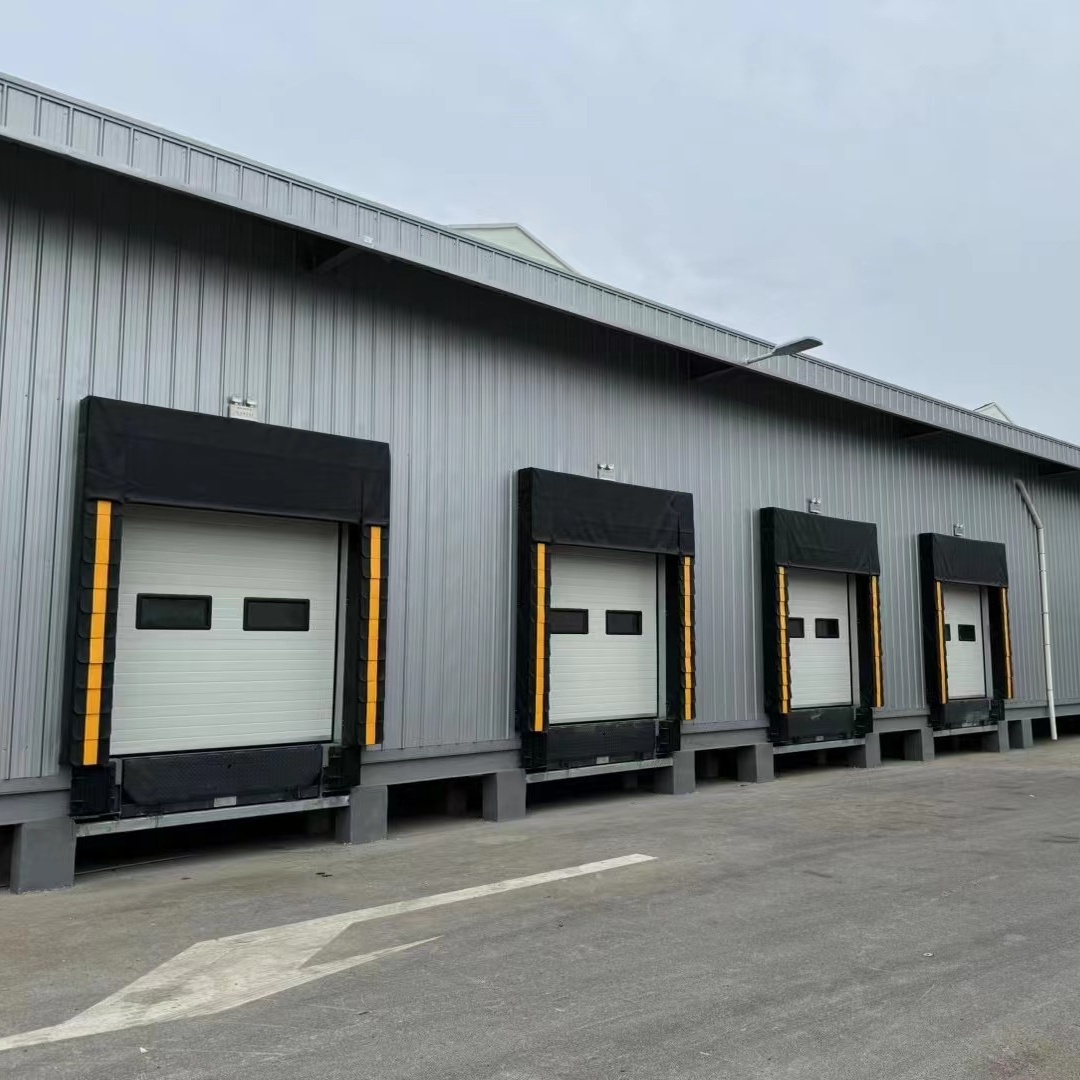
◦ Inflatable door seal: It is composed of top and both sides of the airbag, blower, PVC cord (or polyester fiber shading) and control system, and is sealed by inflating and expanding the truck bed
◦ Auxiliary equipment: It is necessary to match the loading and unloading platform (adjust the height difference between the carriage and the warehouse) and the wheel guide rail (to position the vehicle) to form a complete loading and unloading system.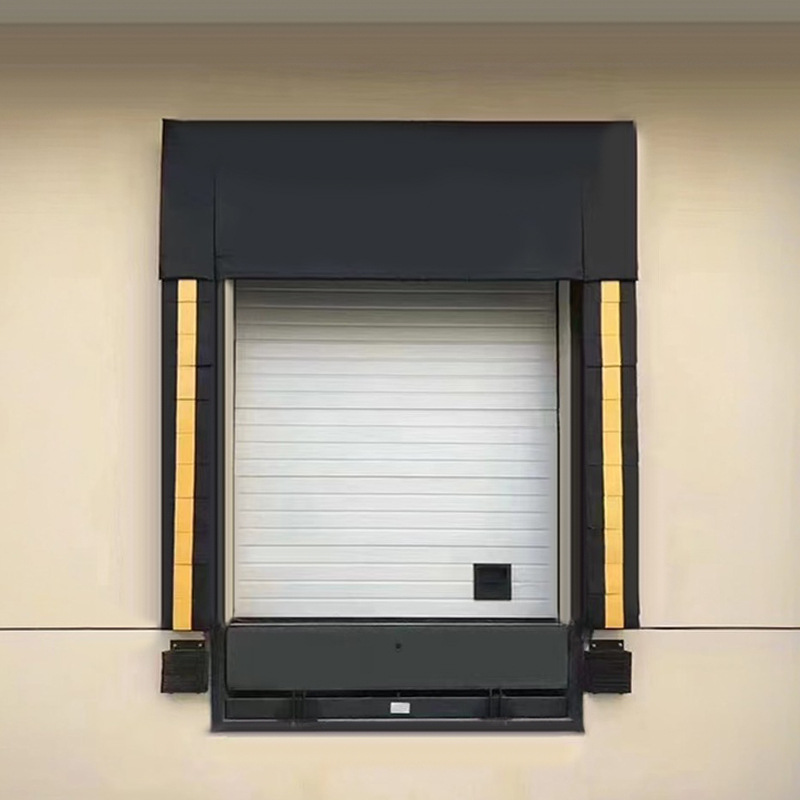
(2). Principle of synergy
◦ Loading and unloading process:
◦ Vehicle in position: The truck reverses to the door seal area, and the wheels are fixed by the guide rails.
◦ Airbag inflation: The blower is activated (about 40 seconds), and the airbag expands close to the surrounding area of the cabin, forming a confined space
◦ Job completion: After loading and unloading, the airbag is deflated and contracted, the vehicle leaves, and the door seal is reset.
◦ Sealing mechanism: The airbag is mostly made of wear-resistant Cordura fabric (tensile strength > 290N/mm²), and is combined with polyurethane foam door panel to block the convection of internal and external air and prevent cold air leakage and dust/insect infestation
2. Key application scenarios and advantages
(1). Cold chain logistics
◦ Thermal insulation and anti-condensation: the door seal blocks the external hot air from entering the cold storage, maintains the ambient temperature of -35°C~70°C, and avoids frost in the loading and unloading area
◦ Energy saving and consumption reduction: reduce the loss of cold air, reduce the load of refrigeration equipment, and save more than 30% of energy consumption
(2). Dustproof and anti-pollution environment
◦ In scenarios such as precision electronics and pharmaceutical warehousing, the sealing design effectively isolates dust, rain and foreign matter
(3). Severe weather adaptability
◦ It can still operate normally in rain, snow, wind and sand, and the tear resistance of the airbag ensures long-term durability
Q1: What are the main benefits of combining industrial doors with inflatable seals?
A1: The key benefits include:
Enhanced sealing performance - Creates an airtight barrier against dust, insects, and air leakage
Improved energy efficiency - Significantly reduces thermal transfer in temperature-controlled environments
Better environmental protection - Prevents contamination in cleanrooms and food processing areas
Increased durability - Reduces wear on door edges and frames
Q2: How does the inflation/deflation mechanism work with industrial doors?
A2: The system operates through:
Automatic inflation when the door closes, using built-in air compressors
Instant deflation when opening to allow smooth door operation
Pressure sensors that maintain optimal seal tightness
Quick-response valves for rapid inflation/deflation cycles
Q3: What maintenance do inflatable door seals require?
A3: Maintenance involves:
Regular cleaning of seal surfaces
Periodic inspection for wear or damage
Lubrication of moving parts (if applicable)
Air system checks for compressor performance
Visual inspections of the seal's inflation pattern
Q4: Can inflatable seals be retrofitted to existing industrial doors?
A4: Yes, in most cases they can be added to:
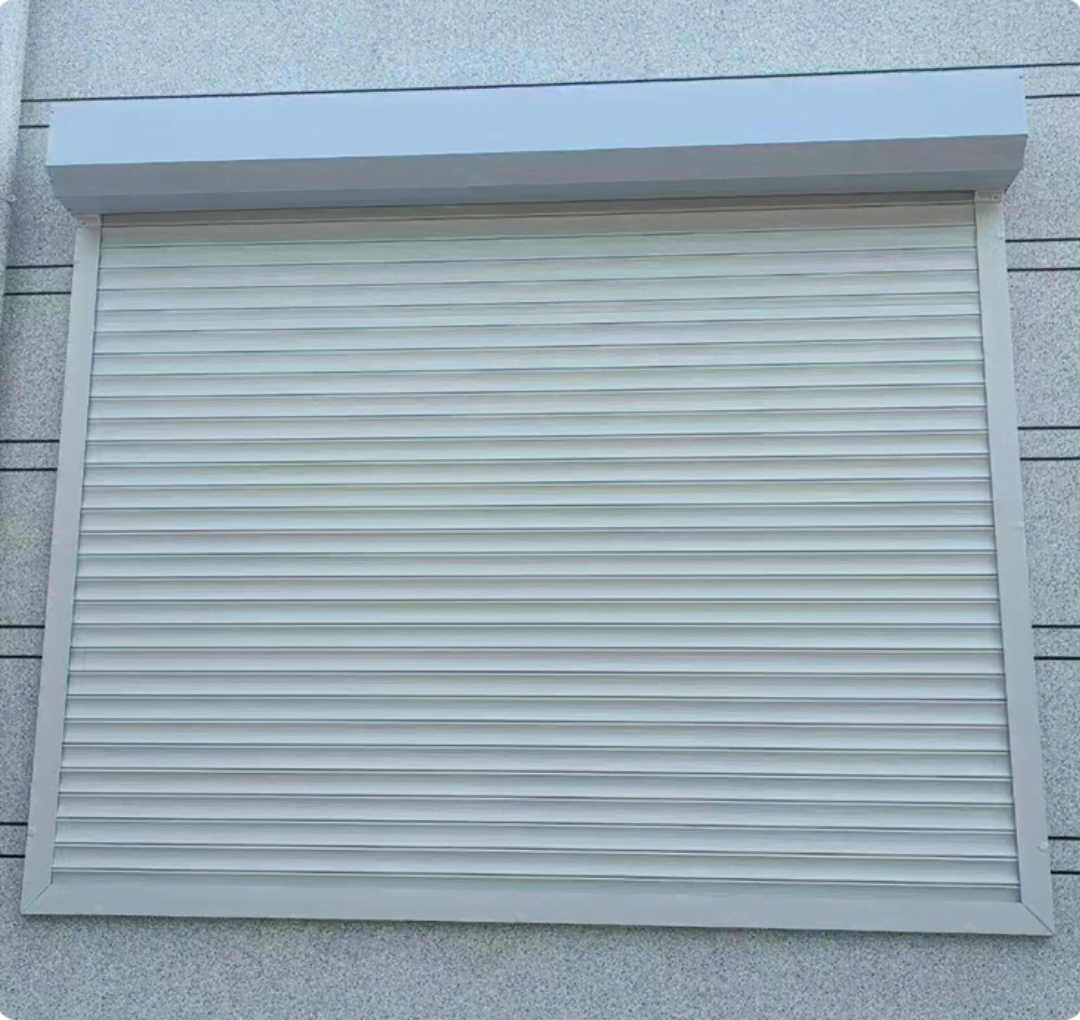
Roller shutter doors
Sectional overhead doors
High-speed doors
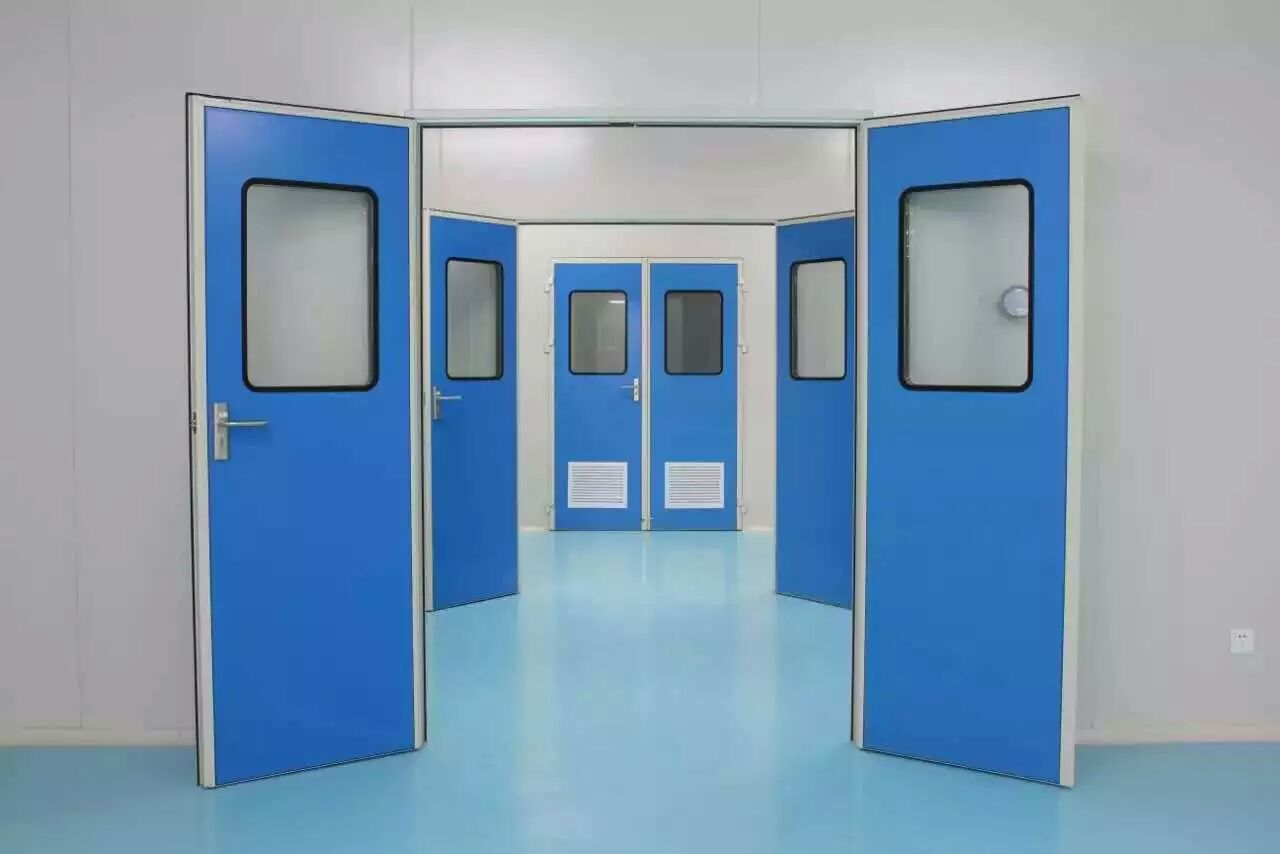
Swing doors Retrofitting requires professional assessment of door structure and operating mechanism.
Recommended Products
up to date Automatic Door Accessories
- Safety Edge Sensor for Rapid Roll Door Anti-Crushing Protection
- High-Speed Door 0.75KW Servo Motor Control Box Set – Reliable & Efficient Drive Solution
- 1.5KW Servo Motor & Control Box Combination - High-Efficiency Drive System for Industrial Doors
- Industrial Door Zippers & High Speed Door Zippers - Durable Industrial Door Accessories
- 0.75KW High-Speed Door Servo Drive System - Reliable & Energy-Saving Industrial Solution
- Manufacturers Foot Pedal Activator & Safety Beam Photocell Barrier Sensor for Medical Sliding Doors
- Industrial Door Zippers & High Speed Door Zippers - Durable Industrial Door Accessories
- AOK-AC123 Electric Curtain Remote Control - Wireless Design with Wear-Resistant Acrylic Crystal Pane
- Permanent Magnet AC Synchronous Servo Motor with Worm Reduction Mechanism for High Speed Door
- Precision Synchronous Servo Motor for High-Speed Door – Worm Gear Reduction
- Durable PVC Fast Rolling Door Fittings for Enhanced Security
- Automatic Repair of Zipper Door Plastic/Polymer Rails
- Smart Automatic Door Sensor for Fast Rolling Access Control
- Soft Fast Gate Control System 1.5kw Servo Motor and Control Box
- Automatic Access Control Square Surface Mount Infrared Non-Contact Switch
- Explosion-Proof Reinforced Self-Limiting Electric Heating Belt
- Explosion-Proof Shielded Self-Controlling Temperature Electric Heating Belt
- Heating Belt for Anti-Freezing, Heating and Heat Preservation of Cold Storage Doors
- 40W flame retardant explosion-proof self-limiting electric heating belt
- Safety Beam Sensor Use for Automatic Door