

Rigid High-Speed Doors: Technical Overview for Industrial Applications
1. Definition and Core Features
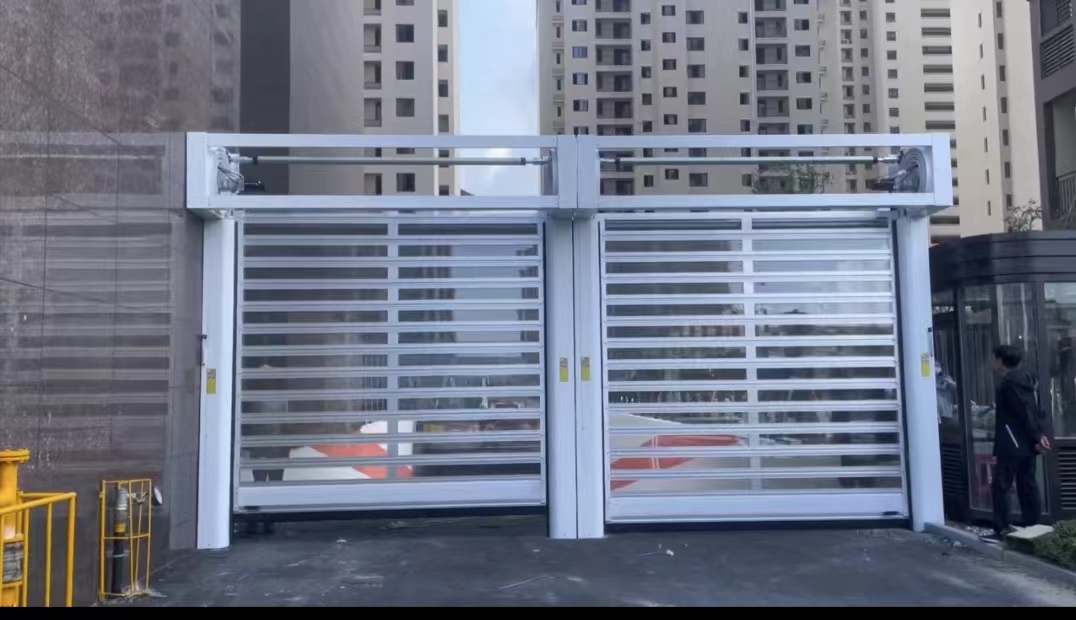
Rigid high-speed doors are industrial-grade barriers constructed from robust materials and automated systems. Key characteristics include:
Material and Structure:
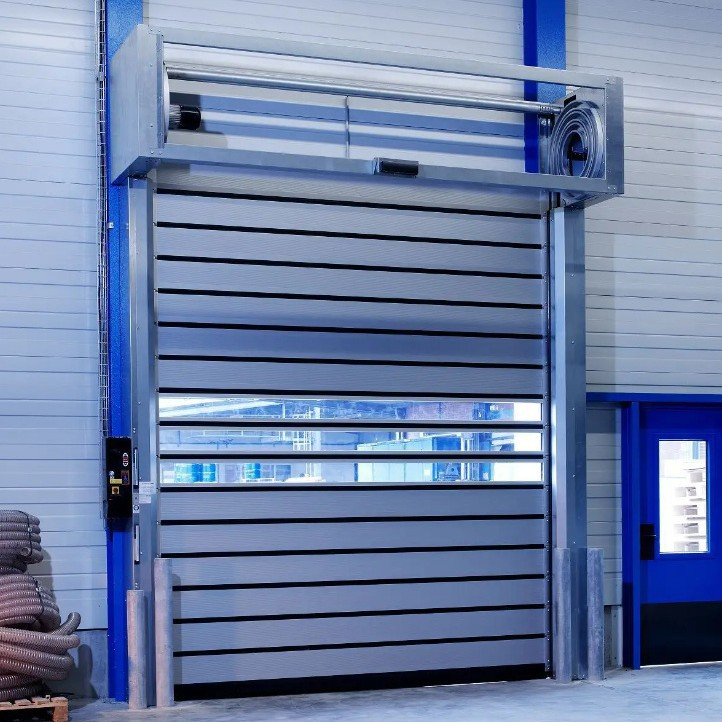
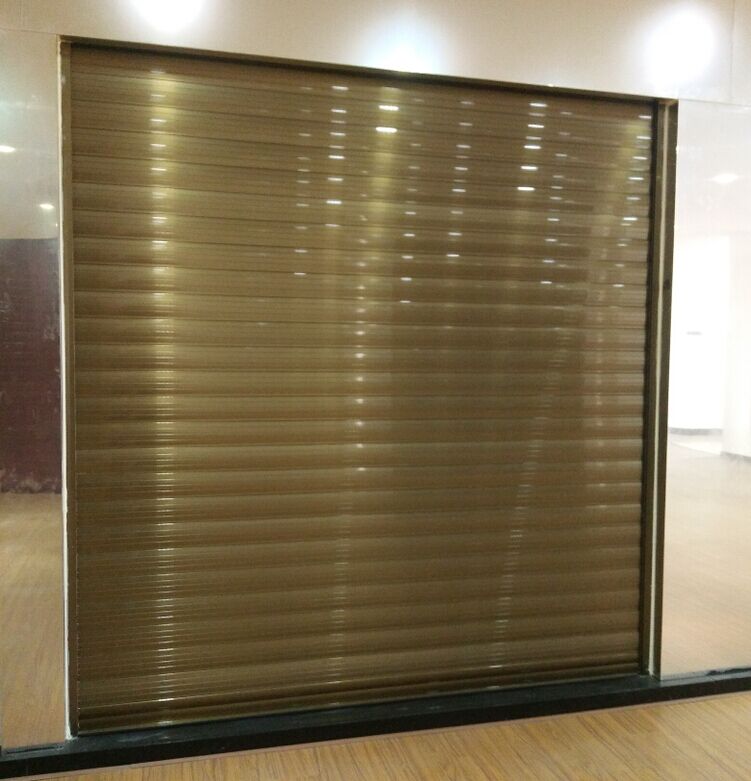
Door panels are typically made of aluminum alloy or galvanized steel (40–50 mm thick), filled with insulation materials like polyurethane for lightweight yet high-strength performance.
The door operates via a rolling or sliding mechanism, achieving speeds of 0.6–2.5 m/s for rapid access.
Environmental Resistance:
Wind resistance up to 35 m/s (Category 12 hurricane-level), suitable for harsh outdoor conditions.
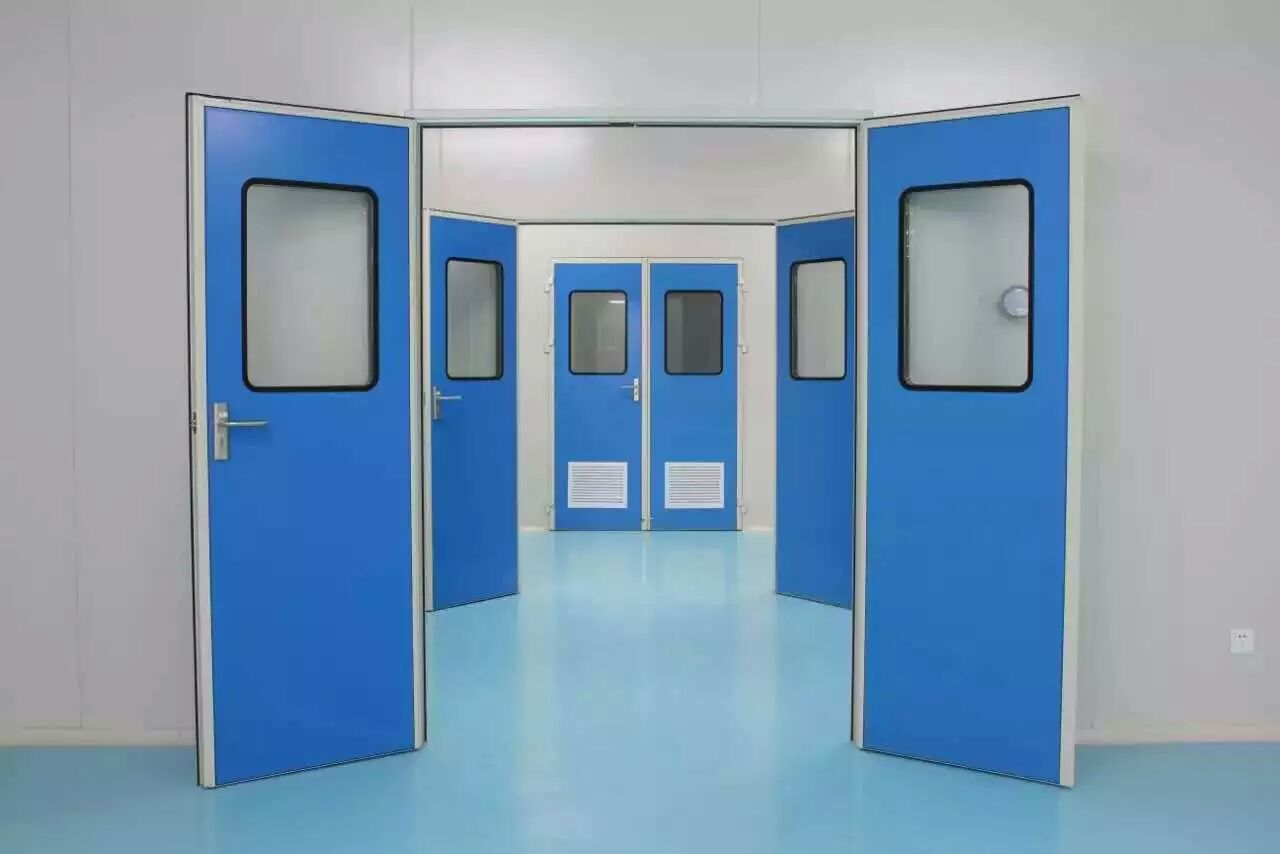
Advanced sealing (e.g., water resistance at 30 Pa, 25 dB noise reduction) ensures compliance with strict requirements for cold storage, cleanrooms, and controlled environments.
2. Technical Specifications and Innovations
Power and Control Systems:
Compatible with 380V three-phase or 220V single-phase power, integrated with safety features like infrared sensors and pressure-sensitive edges to prevent accidents.
IoT-enabled models support remote monitoring and integration with facility management systems.
Durability:
Operational temperature range: -35°C to 65°C, suitable for extreme climates.
Corrosion-resistant coatings (e.g., powder coating) extend lifespan in aggressive industrial settings.
3. Applications Across Industries
Rigid high-speed doors are widely adopted in sectors demanding efficiency and environmental control:
Manufacturing and Logistics:
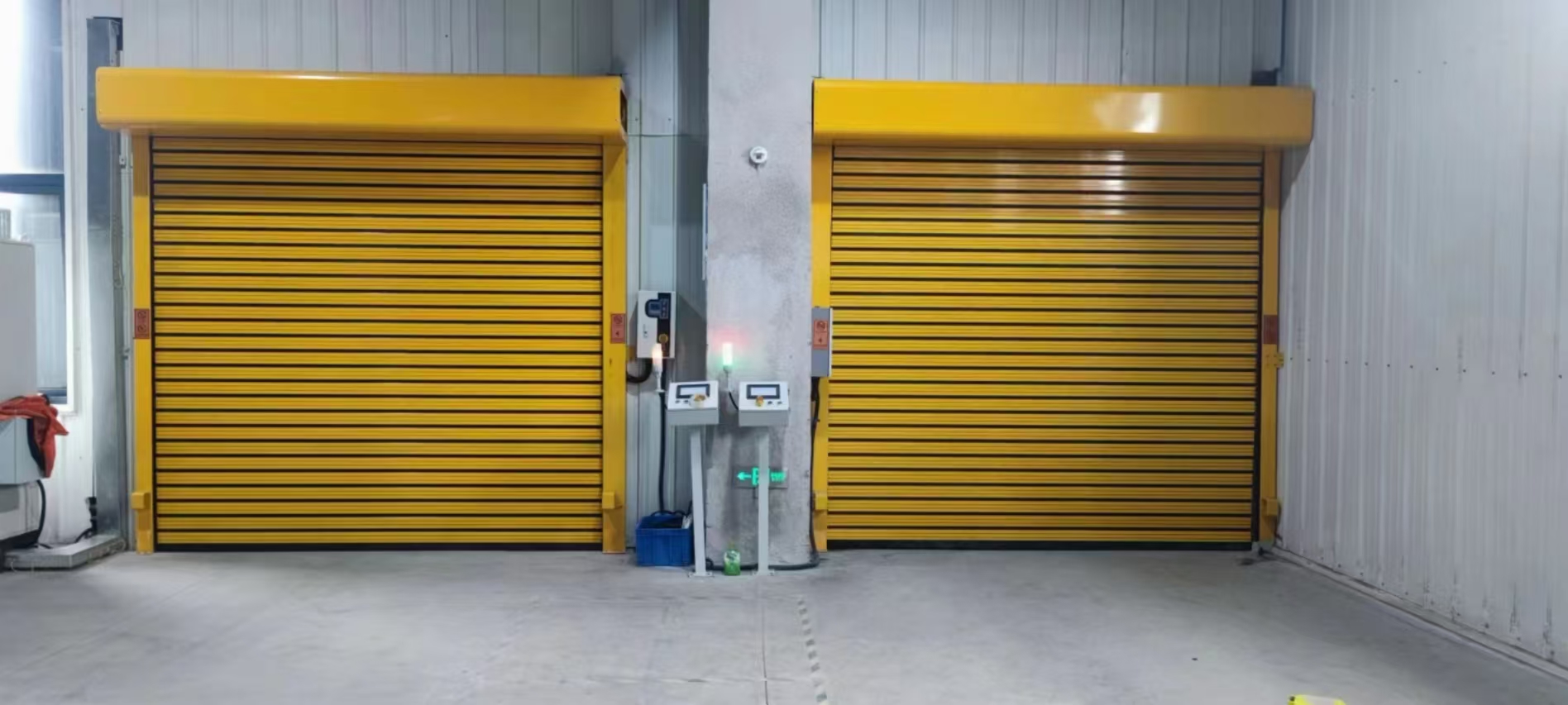
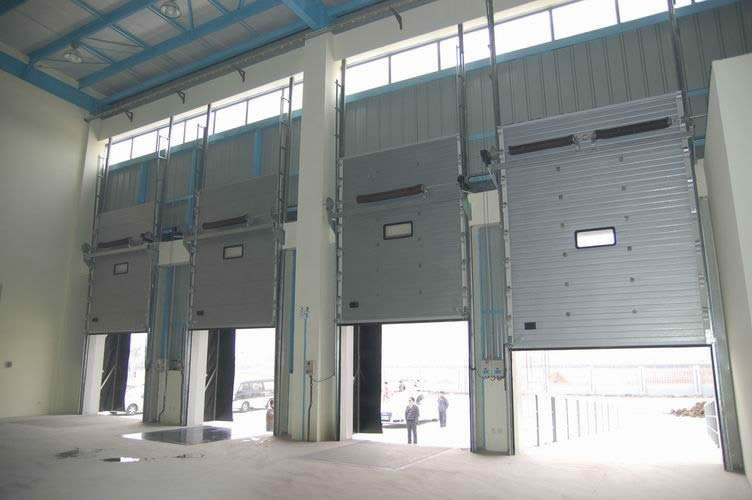
Factories/Warehouses: Minimize energy loss with rapid cycling while protecting interiors from dust and wind.
Cold Chain Facilities: Insulation (U-value: 0.4 W/m²·K) maintains temperature integrity, reducing energy costs.
Specialized Environments:
Aviation/Transportation Hubs: Customizable dimensions (up to 8m wide × 12m high) accommodate large vehicles.
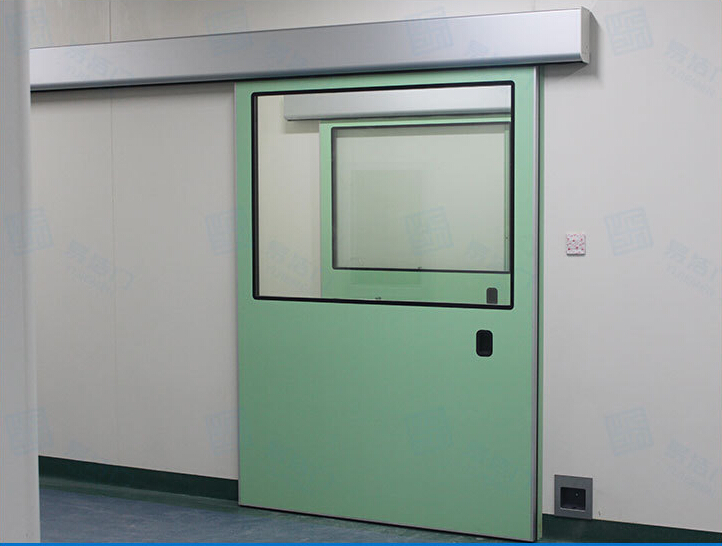
Healthcare/Food Processing: Meet hygiene standards with smooth, non-porous surfaces to prevent contamination.
4. Compliance and Certifications
To ensure safety and reliability, rigid high-speed doors must adhere to global standards:
Safety Certifications:
CE (electromagnetic compatibility and mechanical safety) and UL (electrical safety) certifications are critical for North American and European markets.
Fire-rated models comply with DIN 4102 for flame resistance.
Quality Assurance:
ISO 9001-certified manufacturing processes guarantee material traceability and product testing.
5. Future Trends and Advancements
Smart Integration:
Adoption of 5G and Industrial IoT (IIoT) enables predictive maintenance and real-time diagnostics.
Sustainability:
Recyclable materials (e.g., eco-friendly aluminum) align with circular economy principles.
Energy-efficient designs (e.g., dynamic sealing) support green building certifications like LEED.
Conclusion
Rigid high-speed doors are indispensable in modern industrial infrastructure, balancing speed, safety, and energy efficiency. Their evolving integration with smart technologies and sustainable practices positions them as critical components for Industry 4.0 and beyond.
Q1: What are the key features of rigid high-speed doors?
A1: Rigid high-speed doors are characterized by their durable aluminum or steel slats, fast opening/closing speeds (up to 4 m/s), and high cycle rates, making them ideal for demanding industrial environments.
Q2: What industries benefit most from rigid high-speed doors?
A2: Warehousing, manufacturing, cold storage, and cleanrooms benefit from their thermal insulation, dust resistance, and rapid operation, improving energy efficiency and workflow.
Q3: How do rigid high-speed doors enhance safety and efficiency?
A3: Equipped with safety sensors, emergency stop functions, and robust construction, they minimize downtime, prevent accidents, and maintain controlled environments.
Q4: What maintenance is required for rigid high-speed doors?
A4: Regular lubrication, inspection of mechanical components, and sensor checks ensure longevity and optimal performance with minimal service interruptions.
Q5: Can rigid high-speed doors be customized for specific industrial needs?
A5: Yes, options include insulated panels, different materials (e.g., food-grade coatings), and integration with automated systems for tailored solutions.
Recommended Products
up to dateNiue Automatic Door Accessories
- Durable PVC Fast Rolling Door Fittings for Enhanced Security
- Automatic Repair of Zipper Door Plastic/Polymer Rails
- Smart Automatic Door Sensor for Fast Rolling Access Control
- Soft Fast Gate Control System 1.5kw Servo Motor and Control Box
- Automatic Access Control Square Surface Mount Infrared Non-Contact Switch
- Explosion-Proof Reinforced Self-Limiting Electric Heating Belt
- Explosion-Proof Shielded Self-Controlling Temperature Electric Heating Belt
- Heating Belt for Anti-Freezing, Heating and Heat Preservation of Cold Storage Doors
- 40W flame retardant explosion-proof self-limiting electric heating belt
- High Speed Door Zippers Industrial Door Zippers
- Safety Beam Sensor Use for Automatic Door
- Wireless Hand Sensor Switch For Automatic Door
- Hospital Door Foot Sensor
- Automatic Sliding Door System Wireless Touch Press Switch
- Automatic Sliding Door IP65 Waterprooft Wireless Hand Press Switch
- Automatic Door Microwave Sensor
- Reflective Type Infrared Detector
- Automatic High Speed Door Infrared Radar Sensor CNB-204G
- Aluminum Alloy Wind Section For PVC rapid roller shutter door
- Aluminum Bottom Section For PVC high speed rolling shutter door