

Technological Advancements and Market Applications of Roll-Up Doors in the High-Speed Door Industry
1. Technical Innovations
Modular Design and Automated Manufacturing
Roll-up doors leverage modular components produced through precision automation, ensuring structural consistency and reliability. Advanced techniques, such as laser cutting, enable seamless integration of frames and curtain panels, enhancing longevity.Smart Control Systems
High-end models feature servo-driven systems with intuitive interfaces, supporting diverse sensors (radar, magnetic, or photoelectric) and safety interlocks. These systems enable rapid response times while prioritizing operational safety.Material and Process Enhancements
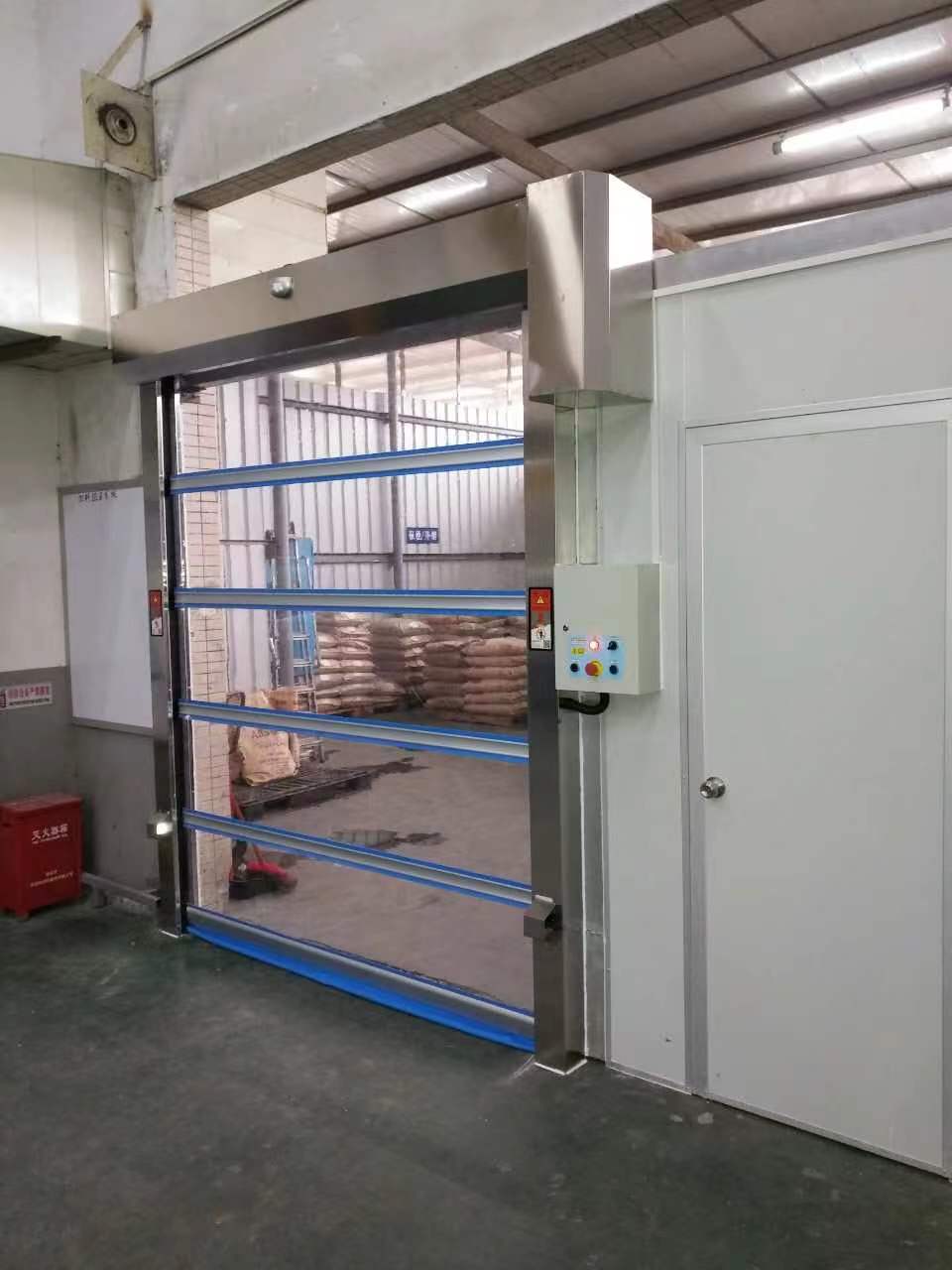
Door panels utilize cold-rolled steel, aluminum alloys, or reinforced PVC fabrics to balance strength and weight. For instance, thick PVC curtains provide abrasion resistance and noise insulation, ideal for food processing facilities or cold storage environments.
2. Key Applications
Industrial and Logistics
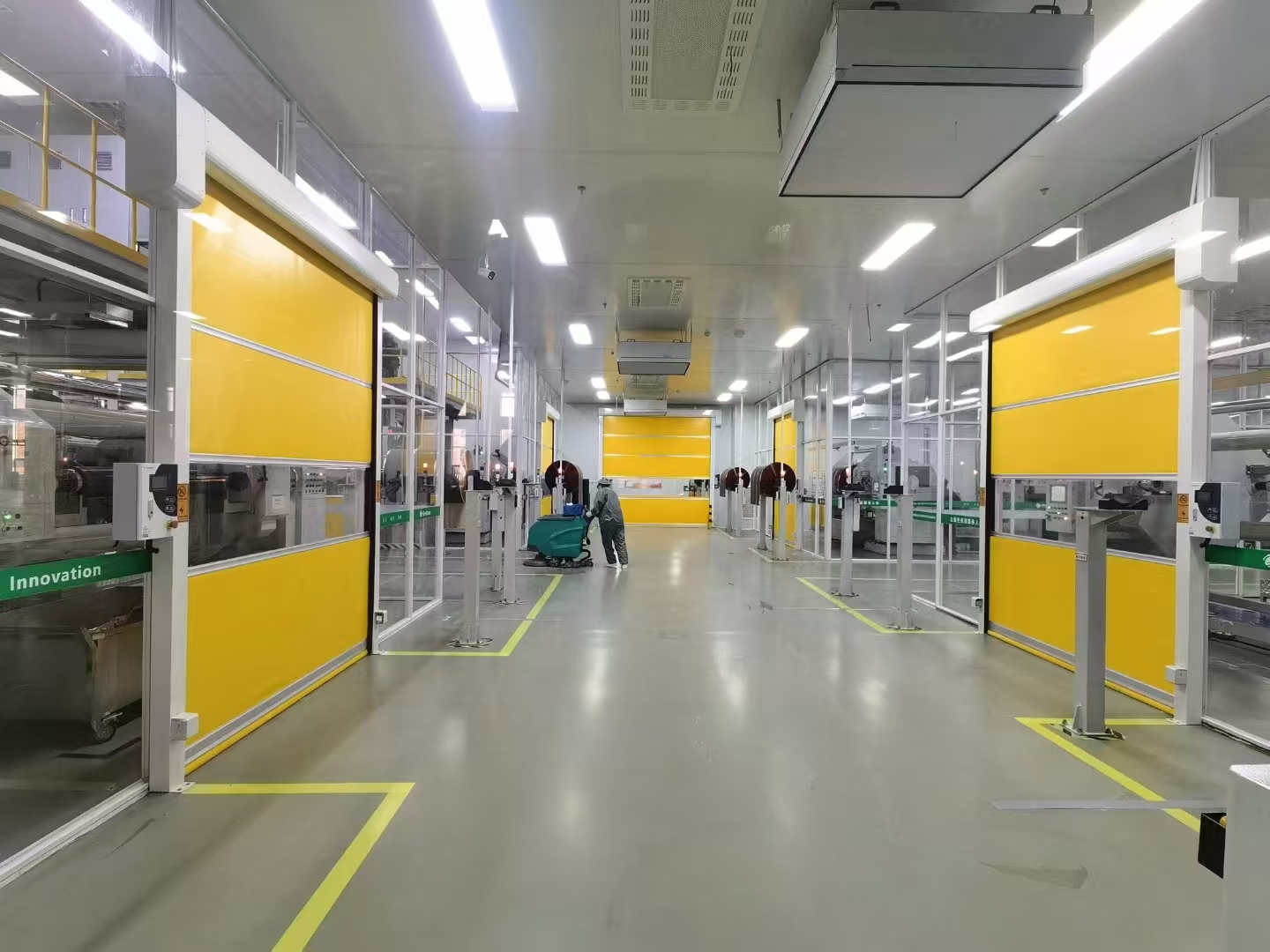
Roll-up doors optimize energy efficiency and temperature control in manufacturing plants and warehouses. Their rapid operation minimizes air exchange, making them suitable for cleanrooms and automated distribution centers.Commercial and Residential
Retail spaces and hotels use compact roll-up doors to maximize usable areas. Residential variants, such as trackless folding designs, blend aesthetics with functionality for garage installations.Cold Chain and Specialized Environments
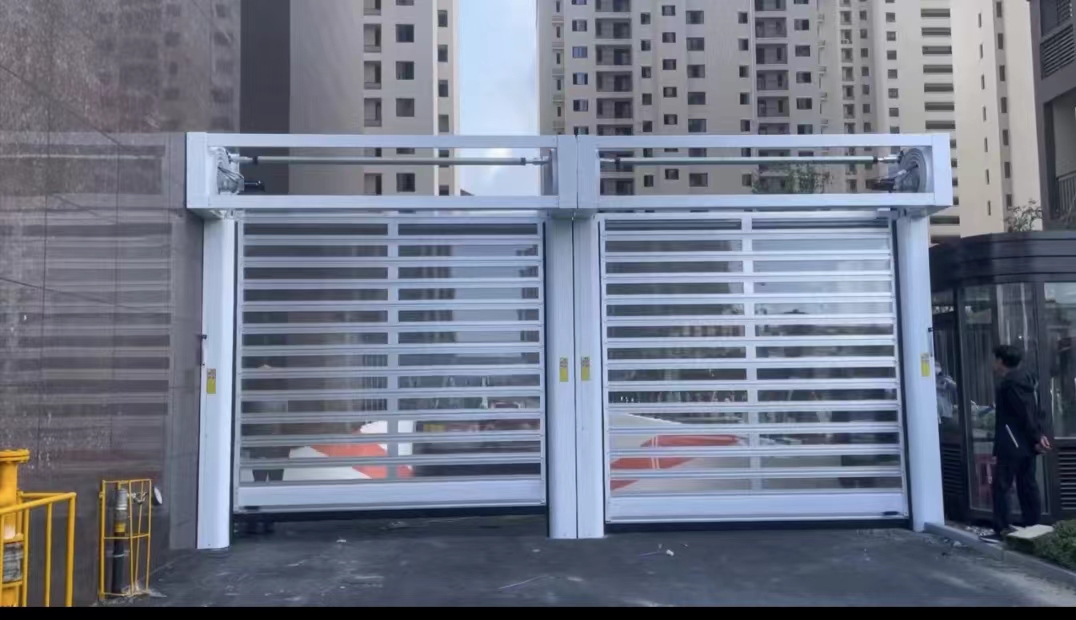
Insulated roll-up doors with double-sealed edges prevent thermal loss in cold storage facilities. Explosion-proof and wind-resistant models serve high-risk sectors like chemical plants or aviation hubs.
3. Market Dynamics and Policy Influences
Growing Demand
The industrial sector remains the largest consumer of roll-up doors, driven by automation and infrastructure upgrades. Logistics and specialized industries also contribute significantly to market expansion.Regulatory Support
Government initiatives, including R&D incentives and standardized industry guidelines, foster innovation. Export growth reflects rising global demand, particularly in regions prioritizing industrial modernization.Challenges and Solutions
Retrofitting roll-up doors in space-constrained buildings requires customized designs, such as manual override options. Manufacturers are also enhancing technical training and after-sales services to improve user experience.
4. Future Trends
IoT Integration and Smart Monitoring
Embedding IoT-enabled sensors will allow remote diagnostics, real-time performance tracking, and predictive maintenance, reducing downtime.Sustainability Focus
Innovations in energy-efficient motors and recyclable materials align with global low-carbon initiatives, positioning roll-up doors as eco-friendly solutions.Global Market Expansion
With competitive pricing and technological advancements, manufacturers are poised to strengthen their presence in international markets, particularly in regions upgrading industrial infrastructure.
Conclusion
Roll-up doors are central to the evolution of the high-speed door industry. Continued advancements in smart technologies, sustainability, and global collaboration will drive their adoption across diverse sectors. By aligning with regulatory frameworks and user needs, roll-up doors are set to play an increasingly vital role in modern infrastructure development.
Q1: What are the key technological breakthroughs in high-speed roll-up doors?
A1: Major advancements include:
Smart control systems (IoT remote monitoring, self-diagnostics)
High-frequency inverter drives (adjustable speed 0.8-2.5m/s, 30% energy savings)
Advanced curtain materials (antibacterial PVC, high-tensile polyester)
Enhanced safety (3D radar sensors, multi-beam light barriers)
Q2: Which emerging markets show the fastest growth for high-speed roll-up doors?
A2: Key growth sectors:
New energy (cleanrooms for battery/solar panel production)
Cold chain logistics (rapid loading in temperature-controlled warehouses)
Autonomous retail (24/7 access for robotic distribution centers)
Pharmaceutical GMP facilities (airtight & sterile environments)
Q3: What are the core advantages of modern high-speed roll-up doors vs traditional industrial doors?
A3: Competitive edges:
Speed: 1-second operation (vs 5-10 seconds for traditional doors)
Energy efficiency: Airtight seals cut HVAC costs by 40%
Smart integration: Compatible with AGVs and MES systems
Durability: Robust frames + self-lubricating bearings (1M cycle tested)
Q4: How to evaluate the ROI of high-speed roll-up doors?
A4: Calculate:
Energy savings (reduced HVAC loss annually)
Efficiency gains (increased logistics throughput)
Maintenance costs (<2% of purchase price/year for premium models)
Downtime avoidance (high reliability minimizes production stops)
Recommended Products
up to dateNiue Automatic Door Accessories
- Durable PVC Fast Rolling Door Fittings for Enhanced Security
- Automatic Repair of Zipper Door Plastic/Polymer Rails
- Smart Automatic Door Sensor for Fast Rolling Access Control
- Soft Fast Gate Control System 1.5kw Servo Motor and Control Box
- Automatic Access Control Square Surface Mount Infrared Non-Contact Switch
- Explosion-Proof Reinforced Self-Limiting Electric Heating Belt
- Explosion-Proof Shielded Self-Controlling Temperature Electric Heating Belt
- Heating Belt for Anti-Freezing, Heating and Heat Preservation of Cold Storage Doors
- 40W flame retardant explosion-proof self-limiting electric heating belt
- High Speed Door Zippers Industrial Door Zippers
- Safety Beam Sensor Use for Automatic Door
- Wireless Hand Sensor Switch For Automatic Door
- Hospital Door Foot Sensor
- Automatic Sliding Door System Wireless Touch Press Switch
- Automatic Sliding Door IP65 Waterprooft Wireless Hand Press Switch
- Automatic Door Microwave Sensor
- Reflective Type Infrared Detector
- Automatic High Speed Door Infrared Radar Sensor CNB-204G
- Aluminum Alloy Wind Section For PVC rapid roller shutter door
- Aluminum Bottom Section For PVC high speed rolling shutter door