

Zipper Doors in the High-Speed Door Industry: Technical Insights and Applications
1. Definition and Structural Design
Core Concept:
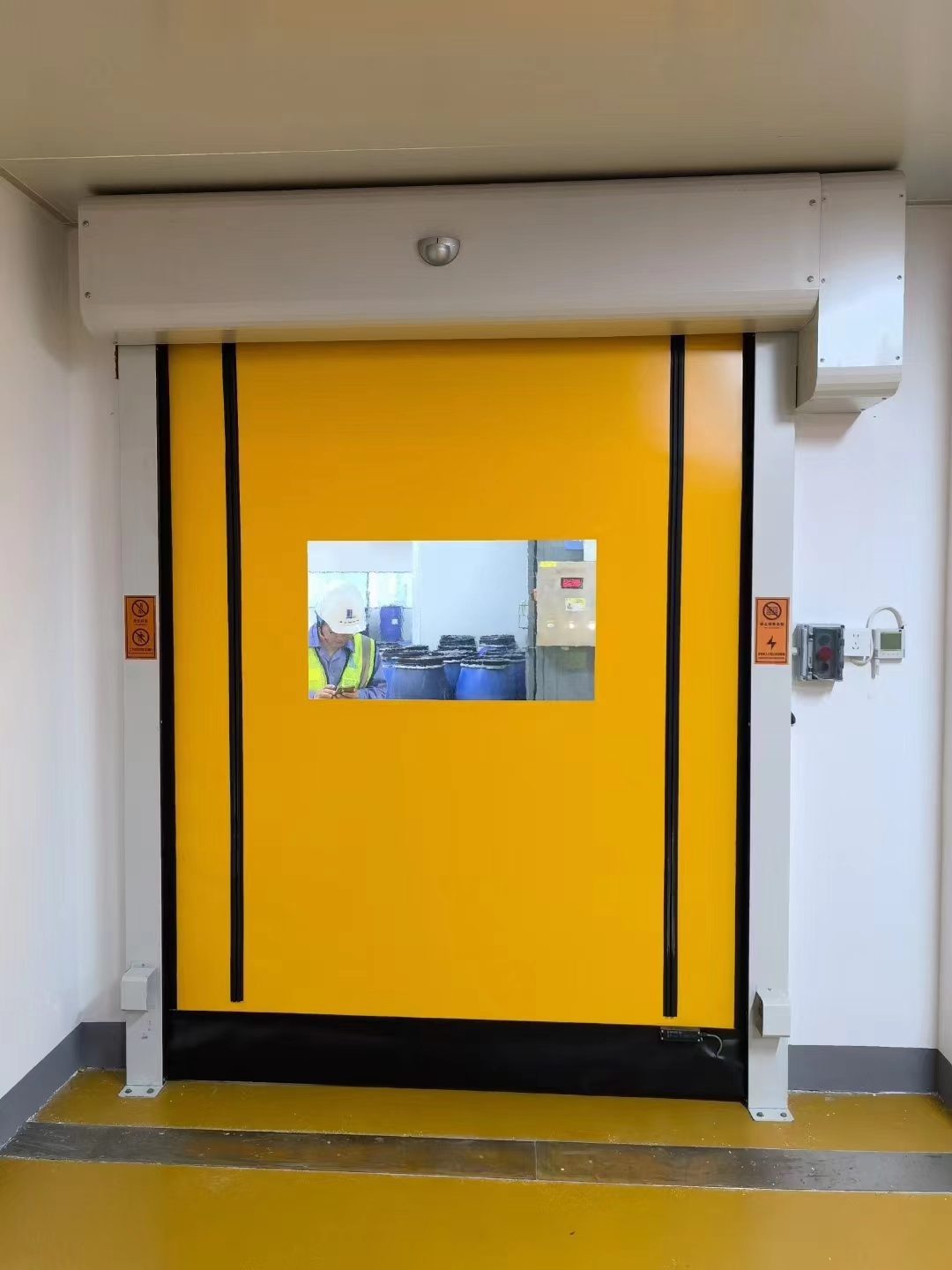
Zipper doors utilize horizontal or vertical zipper-like mechanisms for opening and closing. The door curtain, made of durable flexible materials (e.g., PVC-coated polyester), achieves rapid sealing through interlocking tracks on both sides.Technical Specifications:
Speed: 0.6–1.5 m/s (dependent on drive system configuration).
Sealing: Magnetic strips or pneumatic-assisted seals ensure airtightness up to ISO Class 7 (suitable for cleanrooms).
Wind Resistance: ≤12 m/s (expandable to 20 m/s with reinforced wind bars).
2. Key Advantages
Quick Installation and Maintenance:
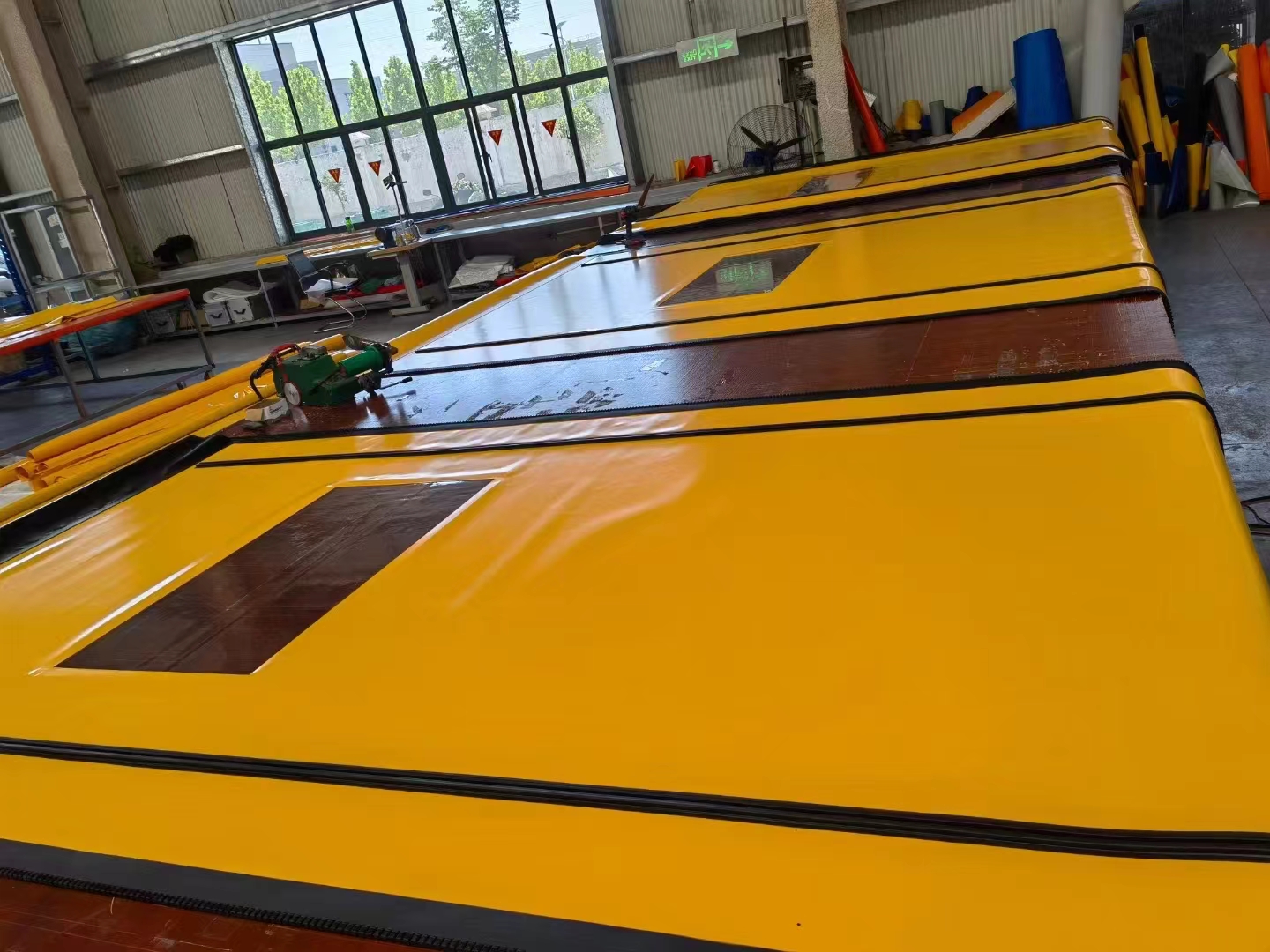
Modular design enables on-site assembly within 4 hours. Curtains can be replaced independently (≤30 minutes), minimizing downtime.
Trackless design reduces dust accumulation and cleaning frequency.
Cost Efficiency:
Material costs are 20–30% lower than traditional high-speed roll-up doors, with reduced energy consumption (motor power: 0.75–1.5 kW).
Environmental Adaptability:
Operational temperature range: -30°C to 70°C (compatible with cold storage and high-temperature facilities).
Customizable insect-proof brushes at the base meet HACCP standards for food safety.
3. Typical Applications
Logistics and Warehousing:
Distribution Centers: High cycling capacity (≥800 daily operations) enhances throughput while minimizing energy loss from temperature differentials.
Cold Chain Facilities: Airtight seals stabilize internal temperatures, reducing energy consumption by 15–25%.
Food and Pharmaceutical Industries:
Antimicrobial coatings (FDA 21 CFR-compliant) prevent microbial growth on curtain surfaces.
Pneumatic-assisted isolation meets GMP requirements for positive/negative pressure environments.
Agriculture and Livestock:
UV-resistant materials (UPF 50+) extend service life in greenhouse ventilation systems.
Corrosion-resistant frames (e.g., hot-dip galvanized steel) withstand high humidity.
4. Compliance and Industry Standards
Safety Certifications:
CE (Machinery Directive 2006/42/EC) and UL 325 (electrical safety) for global market access.
Fire-resistant variants comply with DIN 4102 B1 flame-retardant standards.
Energy Efficiency and Sustainability:
Motors rated ≥IE3 energy efficiency class align with EU ErP directives.
Curtain materials are ≥90% recyclable, supporting green building certifications (e.g., LEED).
5. Future Innovations
Smart Technology Integration:
IoT sensors for real-time monitoring (e.g., seal failure alerts, usage analytics).
RFID integration for automated activation with AGV systems.
Material Advancements:
Lightweight composites (e.g., carbon fiber-reinforced PVC) enhance strength and reduce weight.
Self-cleaning coatings minimize surface contamination, extending maintenance intervals.
Customization:
Non-standard shapes (e.g., arched or corner designs) adapt to unique architectural layouts.
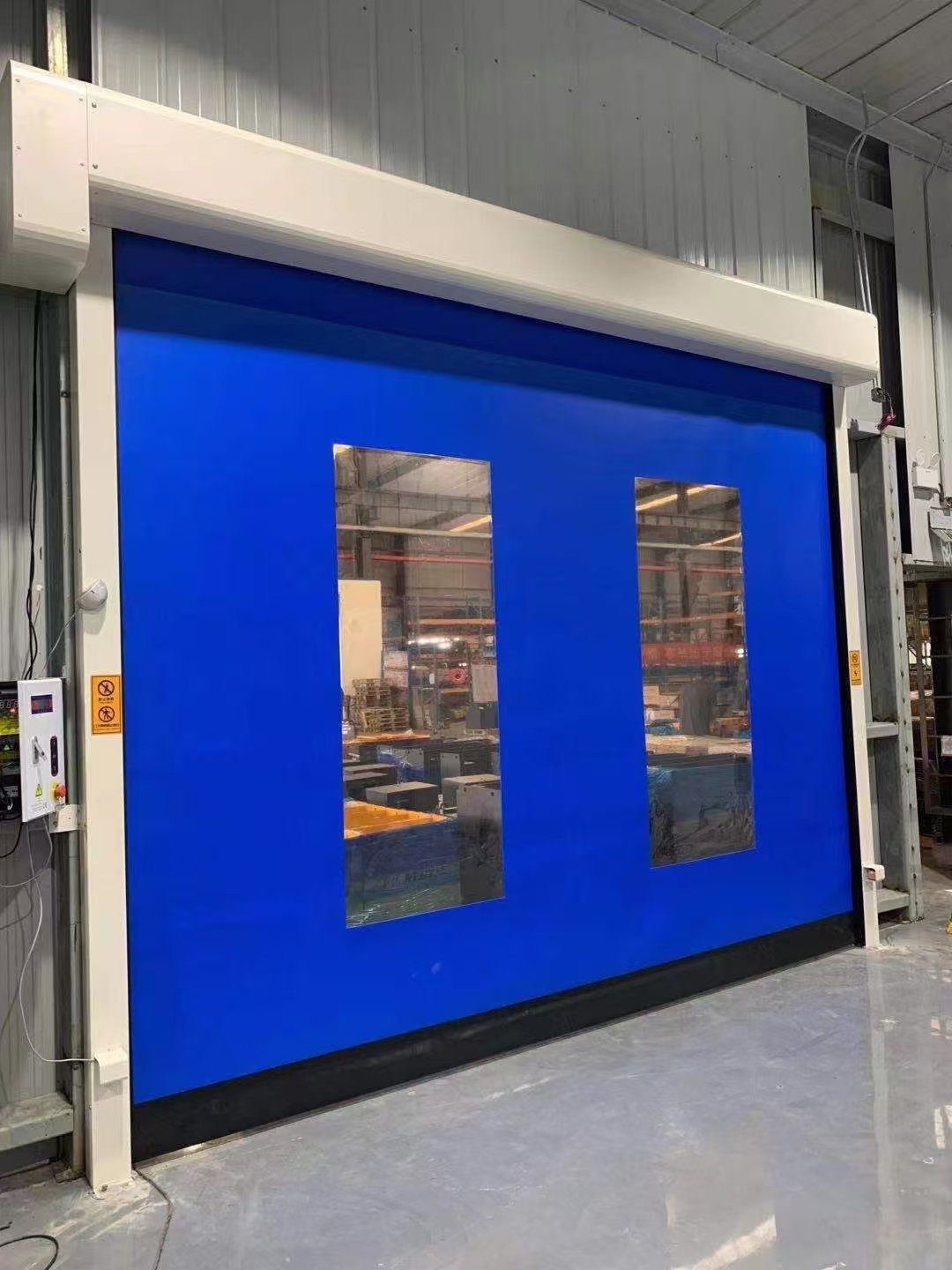
Transparent windows (light transmittance ≥80%) improve visibility between zones.
Conclusion
Zipper doors offer a versatile, cost-effective solution for industries prioritizing speed, hygiene, and environmental control. As demand grows for smart, sustainable infrastructure, ongoing innovations in materials, automation, and design will further solidify their role in modern industrial ecosystems.
Q1: What are zipper doors, and how do they work?
A1: Zipper doors are high-speed doors featuring interlocking flexible strips (like a zipper mechanism) that open and close rapidly. They operate using a motorized system that separates or meshes the strips vertically, ensuring fast, secure, and energy-efficient access control.
Q2: What are the key advantages of zipper doors in industrial settings?
A2: Zipper doors offer:
High-speed operation (1–2 m/s) for improved workflow efficiency.
Durability with wear-resistant materials like PVC or reinforced fabric.
Energy savings by minimizing air exchange between zones.
Hygienic design, ideal for food, pharmaceutical, and cleanroom environments.
Q3: Where are zipper doors commonly used?
A3: They are widely applied in:
Warehouses & Logistics – For rapid loading/unloading.
Food Processing – Maintaining hygiene and temperature control.
Pharmaceuticals – Ensuring contamination-free zones.
Automotive & Manufacturing – Isolating production areas.
Q4: How do zipper doors compare to traditional high-speed doors?
A4: Unlike roll-up or folding doors, zipper doors:
Provide a tighter seal due to the interlocking mechanism.
Have fewer moving parts, reducing maintenance needs.
Operate more quietly with minimal vibration.
Q5: What maintenance is required for zipper doors?
A5: Maintenance includes:
Regular cleaning of zipper tracks to prevent debris buildup.
Lubrication of moving parts (if applicable).
Periodic inspection of sensors and motors for optimal performance.
Recommended Products
up to dateQatar Automatic Door Accessories
- Durable PVC Fast Rolling Door Fittings for Enhanced Security
- Automatic Repair of Zipper Door Plastic/Polymer Rails
- Smart Automatic Door Sensor for Fast Rolling Access Control
- Soft Fast Gate Control System 1.5kw Servo Motor and Control Box
- Automatic Access Control Square Surface Mount Infrared Non-Contact Switch
- Explosion-Proof Reinforced Self-Limiting Electric Heating Belt
- Explosion-Proof Shielded Self-Controlling Temperature Electric Heating Belt
- Heating Belt for Anti-Freezing, Heating and Heat Preservation of Cold Storage Doors
- 40W flame retardant explosion-proof self-limiting electric heating belt
- High Speed Door Zippers Industrial Door Zippers
- Safety Beam Sensor Use for Automatic Door
- Wireless Hand Sensor Switch For Automatic Door
- Hospital Door Foot Sensor
- Automatic Sliding Door System Wireless Touch Press Switch
- Automatic Sliding Door IP65 Waterprooft Wireless Hand Press Switch
- Automatic Door Microwave Sensor
- Reflective Type Infrared Detector
- Automatic High Speed Door Infrared Radar Sensor CNB-204G
- Aluminum Alloy Wind Section For PVC rapid roller shutter door
- Aluminum Bottom Section For PVC high speed rolling shutter door