
اختيار مواد لوحة باب الحريق: دليل شامل
الرئيسية الجنايات
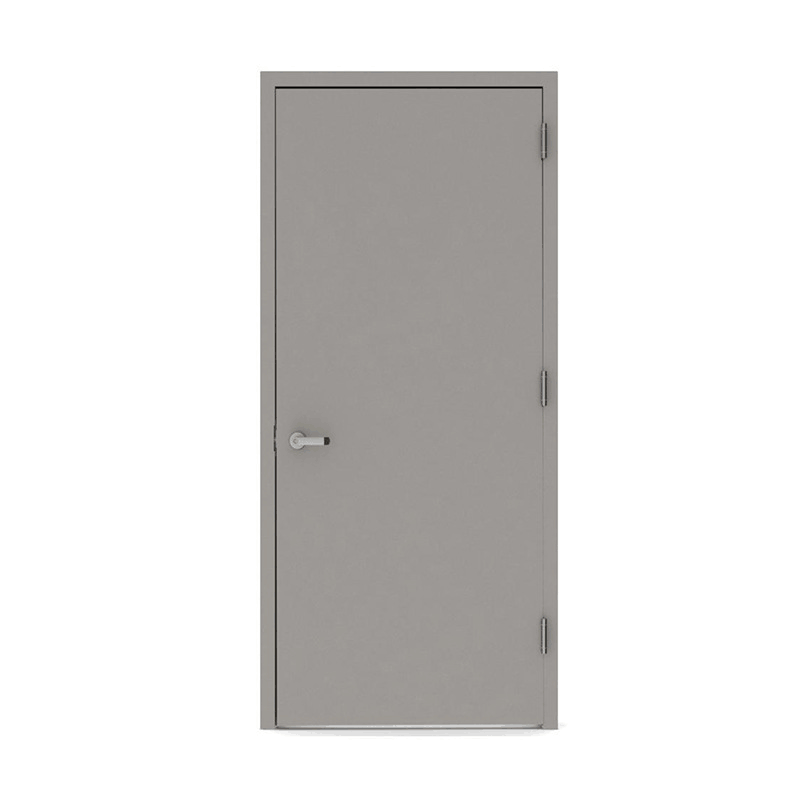
ألواح الصلب: 0.8-1.5mm صفائح الفولاذ المجلفن مع 30-120 دقيقة مقاومة للحريق ، مناسبة ل 90 ٪ من التطبيقات المدنية والصناعية.
لوحات خشبية مقاومة للحريق: مصنوعة من الصنوبر أو البتولا المعالجة مثبطات اللهب ، وتقدم جاذبية جمالية للفنادق والمكاتب ذات المتطلبات الديكورية العالية.
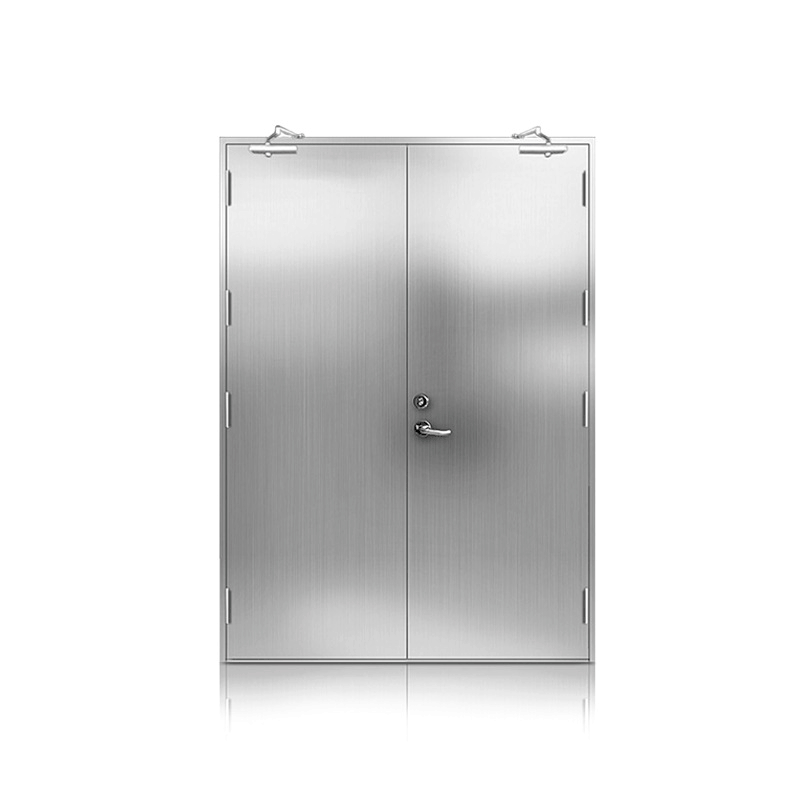
ألواح الفولاذ المقاوم للصدأ: 304 / 316L الفولاذ المقاوم للصدأ مع مقاومة التآكل متفوقة، مثالية للمصانع الكيميائية والمناطق الساحلية.
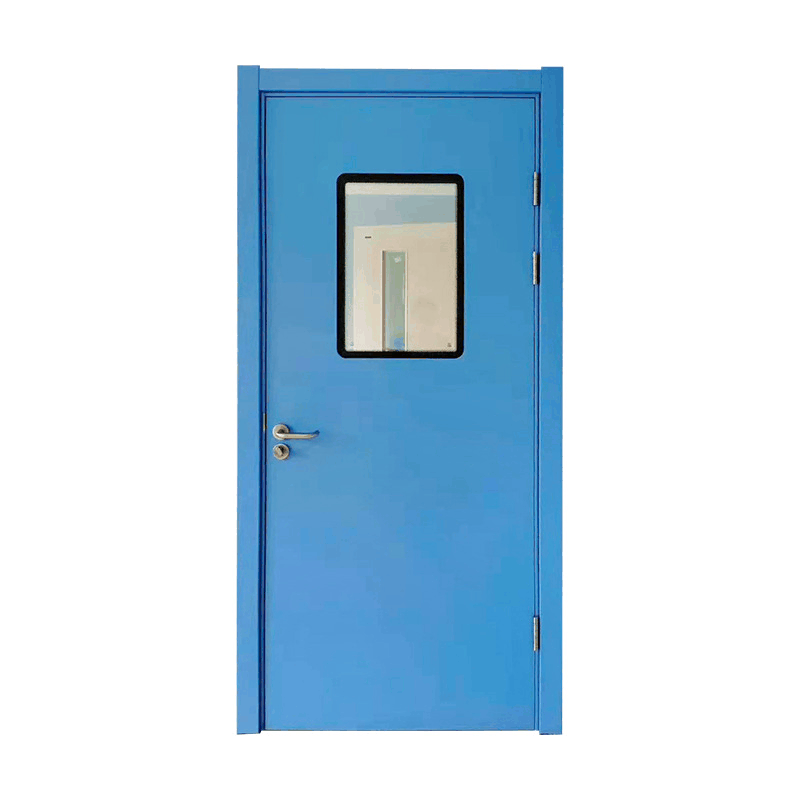
ألواح الزجاج المركب: زجاج مقاوم للحريق مع إطارات معدنية ، يوفر أكثر من 70 ٪ نفاذية الضوء ومقاومة للحريق لمدة 60 دقيقة لمخارج الطوارئ.
لوحات الألياف السيراميك: تتحمل 1600 درجة مئوية ، مصممة للبيئات القاسية مثل محطات توليد الطاقة ومصانع الصلب.
1. ألواح الصلب: الخيار الأكثر تنوعا
خصائص المواد:
المواد الأساسية: صفائح الصلب المجلفن المدرفلة على البارد (طلاء الزنك ≥60g / m2) ، سمك 0.8mm (الصف C) إلى 1.5mm (الصف A).
السطح المعالجة مع طلاء مسحوق الايبوكسي ، اجتياز اختبار رذاذ الملح لمدة 2000 ساعة دون تآكل.
مزايا الأداء:
ترتبط مقاومة الحريق بالسماكة: تمر ألواح 1.0mm باختبار الحريق لمدة 60 دقيقة (معيار GB12955).
تصل مقاومة الصدمة إلى 1.5kJ / m2 ، ضعف الأبواب الخشبية.
انخفاض تكاليف الصيانة دورة الحياة، ومناسبة للتطبيقات واسعة النطاق.
تطبيقات نموذجية:
السلالم السكنية عالية الارتفاع (1.2 ملليمتر لوحة مع ملء بيرليت).
مواقف السيارات تحت الأرض (لوحة 1.0 مم مع طلاء مقاوم للرطوبة).
2. ألواح خشبية مضادة للحريق: موازنة الجماليات والسلامة
عملية العلاج:
يخضع الخشب الأساسي لمعالجة الضغط بالفراغ مع مثبطات اللهب ، مما يحقق مؤشر الأكسجين ≥32٪ (مقارنة بـ 18٪ للخشب العادي).
القشرة السطحية مثل الجوز أو الكرز ، مع انبعاثات الفورمالدهايد ≤0.05mg / m3 (EN717-1 القياسية).
التطبيقات:
غرف ضيوف فندقية فاخرة (مع مغلقات الأبواب التلقائية).
تجديدات المباني التاريخية (تتطلب انسجامًا بصريًا).
3. ألواح الفولاذ المقاوم للصدأ: حل للبيئات المتطرفة
أنواع المواد:
304 الفولاذ المقاوم للصدأ: يحتوي على 18 ٪ كروم و 8 ٪ ني ، مناسبة للبيئات التآكل العامة.
316L الفولاذ المقاوم للصدأ: مع 2 ٪ Mo ، يحسن من مقاومة الأحماض / القلويات بنسبة 50 ٪.
المعلمات الرئيسية:
سمك: 1.2-2.0mm ، الموصلية الحرارية 16W / (m · K) (مقارنة ب 45W / (m · K) للصلب).
عمر الخدمة يتجاوز 25 عامًا ، وهو 1.6 مرة أطول من الفولاذ المجلفن.
أمثلة حالات:
أبواب التخزين البارد في سوق المأكولات البحرية (316L مع الأختام في درجة الحرارة المنخفضة).
أبواب المختبرات الكيميائية مقاومة للانفجار (مقاومة لحمض الكبريتيك 98٪).
4. ألواح الزجاج المركب: حماية من الحريق شفافة
تصميم الهيكل:
زجاج مقاوم للحريق من السيسيوم والبوتاسيوم مزدوج الطبقة (6 مم + 6 مم) مع إطار من الفولاذ المقاوم للصدأ.
نفاذية الضوء 72٪ -85٪ ، حجب الأشعة فوق البنفسجية ≥99٪.
التحقق من الأداء:
يحافظ على السلامة لمدة 60 دقيقة مع درجة حرارة الجانب الخلفي ≤180 °C.
عزل الصوت: 35dB (على تردد 500 هرتز).
الاستخدامات المبتكرة:
نوافذ مراقبة وحدة العناية المركزة في المستشفى.
مقصورات النار مركز التسوق (مع وظيفة إيجاد الطريق).
5. ألواح الألياف السيراميك: حماية درجة الحرارة العالية جدا
تكوين المواد:
ألياف الألومينا السيليكا ، كثافة 220kg / m3.
نقطة الانصهار 1750 درجة مئوية ، الانكماش الحراري ≤2٪ (اختبار في 1000 درجة مئوية).
بيانات الاختبار:
مقاومة للحريق: 240 دقيقة (GB / T9978 القياسية).
مقاومة الصدمات الحرارية: 20 دورة من 1100 درجة مئوية التبريد السريع / التسخين دون تكسير.
التطبيقات الحرجة:
مقصورات مشغل فرن الصلب.
مركبة فضائية اختبار حواجز الغرفة.
6. اختيار شجرة القرار
مطابقة المواد للاحتياجات:
حماية من الحريق القياسية → ألواح الصلب (1.0mm)
الأولوية الجمالية → ألواح خشبية مضادة للحريق (الفئة B1)
بيئات عالية التآكل → 316L الفولاذ المقاوم للصدأ
الرؤية المطلوبة → ألواح الزجاج المركب
درجة حرارة عالية للغاية → الألياف السيراميك
7. الأسئلة المتكررة (FAQ)
Q1: هل يمكن للأبواب الخشبية مقاومة الحريق حقًا؟
ألف-المنتجات المعالجة بشكل صحيح تشكل طبقة عازلة كربونية عند التعرض للحريق.لا تظهر الاختبارات أي لهب على الجانب غير المكشوف لمدة 60 دقيقة ، ولكن التعرض الطويل للرطوبة قد يقلل من الفعالية.
س2: لماذا الأبواب الزجاجية الحريق شائعة في المستشفيات؟
ألف-الشفافية تقلل من قلق المريض أثناء تلبية رموز الفصل عن الحريق لمدة 60 دقيقة.يجب استخدام زجاج مقاوم للحريق من السيسيوم والبوتاسيوم (ليس الزجاج المقسى).
Q3: كم أثقل الأبواب الفولاذ المقاوم للصدأ مقابل الأبواب الصلب؟
ألف-: ما يقرب من 25 ٪ أثقل بسبب الكثافة العالية ، مما يتطلب مفصلات معززة (قدرة التحميل ≥80kg).
Q4: هل يمكن لأبواب الألياف السيراميك استخدام أقفال عادية؟
ألف-: لا ، فإنها تتطلب أقفال عالية الحرارة (درجة حرارة التشغيل ≥1000 °C).الأقفال القياسية تفشل في 300 °C.
المنتجات الموصى بها
latestاكسسوارات الباب التلقائي
- السلامة حافة الاستشعار للفة السريعة الباب مكافحة سحق الحماية
- باب عالية السرعة 0.75KW مجموعة مربع التحكم في المحركات سيرفو - حل محرك موثوق وفعال
- 1.5KW محرك سيرفو وصندوق التحكم الجمع - نظام محرك عالي الكفاءة للأبواب الصناعية
- سحابات الباب الصناعية و سحابات الباب عالية السرعة - اكسسوارات الباب الصناعي الدائم
- 0.75KW عالية السرعة الباب سيرفو نظام القيادة - موثوقة وموفرة للطاقة الحل الصناعي
- الشركات المصنعة دواسة القدم المنشط والسلامة شعاع الحاجز الضوئي الاستشعار للأبواب المنزلقة الطبية
- سحابات الباب الصناعية و سحابات الباب عالية السرعة - اكسسوارات الباب الصناعي الدائم
- AOK-AC123 الستار الكهربائية التحكم عن بعد - تصميم لاسلكي مع شريحة الكريستال الاكريليك المقاومة للاهتراء
- المغناطيس الدائم AC محرك سيرفو متزامن مع آلية الحد من الدودة لباب عالية السرعة
- محرك سيرفو متزامن الدقة للباب عالية السرعة - الحد من العتاد الدودة
- جديد محمولة على السطح للماء الأشعة تحت الحمراء الاستشعار التبديل
- دائم PVC سريع المتداول الباب التجهيزات للأمن المعزز
- الإصلاح التلقائي للسستة الباب البلاستيك / البوليمر القضبان
- ذكية التلقائي الباب الاستشعار لسرعة المتداول التحكم في الوصول
- لينة سريع بوابة نظام التحكم 1.5kw سيرفو المحرك وصندوق التحكم
- التحكم في الوصول التلقائي مربع سطح جبل الأشعة تحت الحمراء غير التلامس التبديل
- مقاومة للانفجار عززت ذاتية الحد من حزام التدفئة الكهربائية
- الانفجار واقية محمية ذاتية التحكم في درجة الحرارة حزام التدفئة الكهربائية
- حزام التدفئة لمكافحة التجميد والتدفئة والحفاظ على الحرارة من أبواب التخزين البارد
- 40W مثبطات اللهب واقية من الانفجار الحد الذاتي حزام التدفئة الكهربائية