

Mécanismes de fonctionnement des portes sectionnelles industrielles
Ouverture électrique:
Le système d'entraînement moteur est utilisé pour contrôler avec précision le mouvement vers le haut et vers le bas du corps de porte. C'est indéniablement la méthode d'ouverture la plus pratique et la plus couramment adoptée. Les opérateurs doivent simplement appuyer sur le bouton de la télécommande ou effectuer une opération simple sur la boîte de commande, puis la porte peut monter ou descendre automatiquement et en douceur. Elle trouve sa niche dans des milieux industriels où il y a un afflux et une sortie constants de marchandises et une forte demande d’efficacité opérationnelle, tels que les entrepôts logistiques et les principales portes de passage des grands ateliers d’usine. En optant pour ce mode, il est possible de réduire considérablement le temps consacré à l'ouverture et à la fermeture manuelles, ce qui simplifie le processus de travail global.
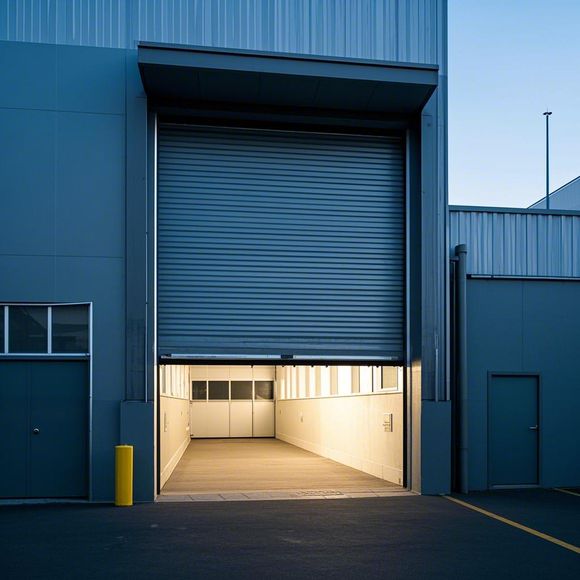
Ouverture manuelle:
Dans les cas où une panne d'électricité survient ou lorsque le moteur fonctionne mal et qu'une solution de sauvegarde temporaire est urgente, le mode d'ouverture manuelle vient à la rescousse. Typiquement, de telles portes aériennes industrielles sont équipées d'une manivelle à main. Grâce à l'action manuelle de manivellage, les opérateurs peuvent activer le dispositif de transmission mécanique, qui à son tour entraîne le corps de porte à pouces le long du rail de guidage. Néanmoins, cette approche est relativement épuisante et la vitesse d'ouverture est plutôt lente. Il est couramment utilisé dans de petits ateliers, entrepôts rudimentaires et autres endroits où la fréquence d'ouverture de la porte n'est pas élevée, l'espace est restreint et les contraintes budgétaires prévalent en raison de considérations de coût, ce qui fait de l'option manuelle une alternative pratique et économique.
Chain Drive Ouverture:
Les chaînes servent de connecteurs cruciaux entre le moteur et les composants de transmission du corps de porte. Une fois que le moteur commence à tourner, les chaînes commencent à tourner en tandem, tirant constamment le corps de la porte pour se déplacer vers le haut et vers le bas. Réputé pour sa stabilité exceptionnelle, le moteur à chaîne est capable de supporter une charge lourde, ce qui en fait le choix privilégié pour les portes aériennes industrielles lourdes. Dans les ateliers des aciéries et des usines de machines où de grandes pièces sont routinemment soulevées, comme leurs entrées et sorties, l'ouverture d'entraînement à chaîne garantit le fonctionnement fiable du corps de porte, réduisant sensiblement les risques de glissement et d'autres défaillances qui pourraient potentiellement perturber la sécurité de la production.
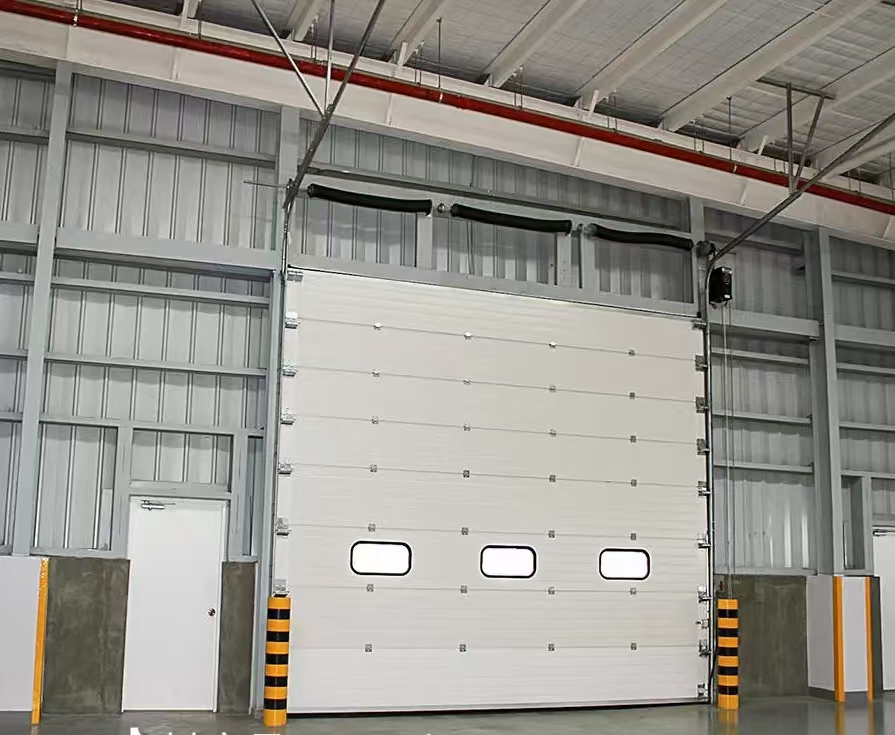
Ouverture d'entraînement de ceinture:
Les ceintures à haute résistance sont choisies comme moyen de transmission. En comparaison avec l'entraînement à chaîne, il présente une performance plus tranquille et stable pendant le fonctionnement, générant un bruit minimum. Cette caractéristique en fait une combinaison parfaite pour les environnements industriels ayant des exigences strictes en matière de bruit environnemental, tels que les usines de transformation alimentaire et les ateliers de fabrication d'instruments de précision. Dans ces lieux de travail orientés vers la précision, les portes aériennes industrielles avec ouverture à courroie peuvent non seulement remplir les tâches d'ouverture et de fermeture de routine, mais également s'abstenir d'interférer avec les opérations de précision délicates et exigeantes sur la ligne de production, en préservant la production de produits de haute qualité.
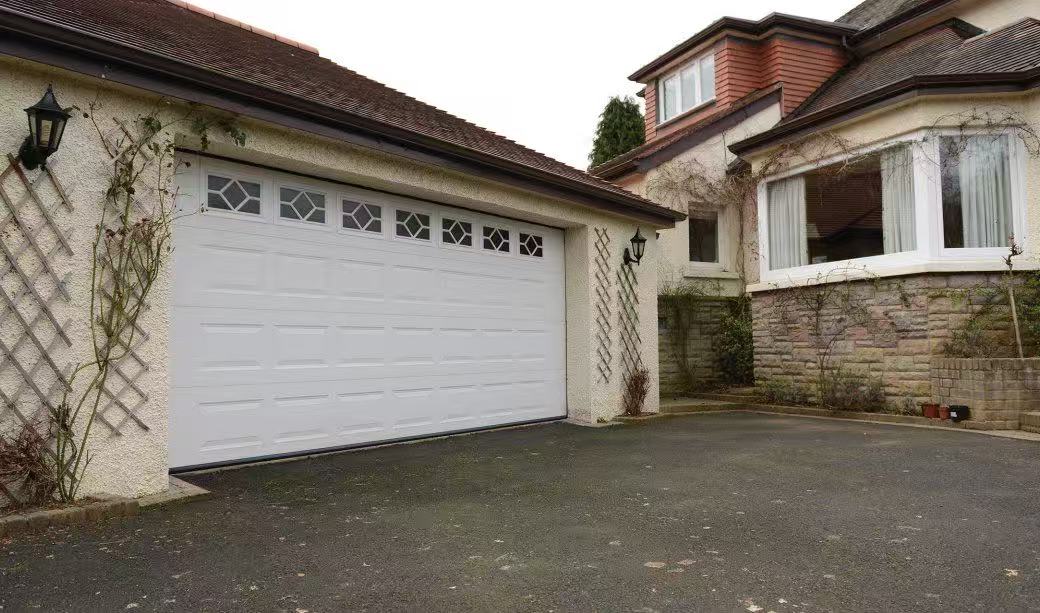
Q1: Comment ouvre-t-il une porte d'ascenseur industrielle?
A : Les portes d'ascenseurs industriels s'ouvrent généralement de trois façons:
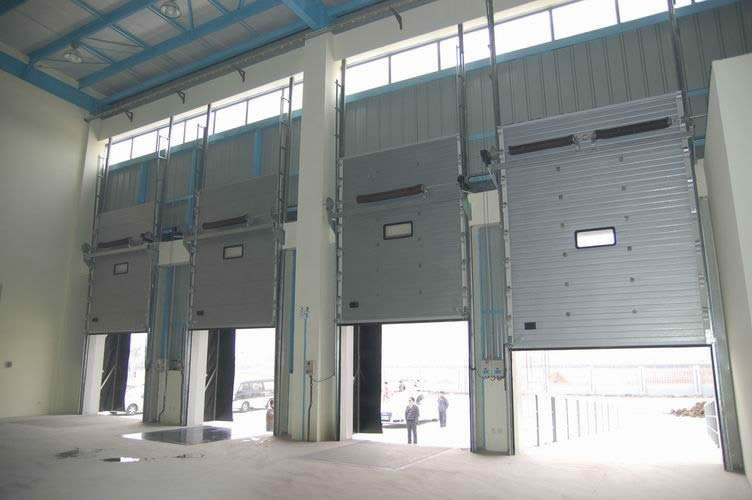
Ascension (ascenseur vertical) :La porte coulisse tout droit.
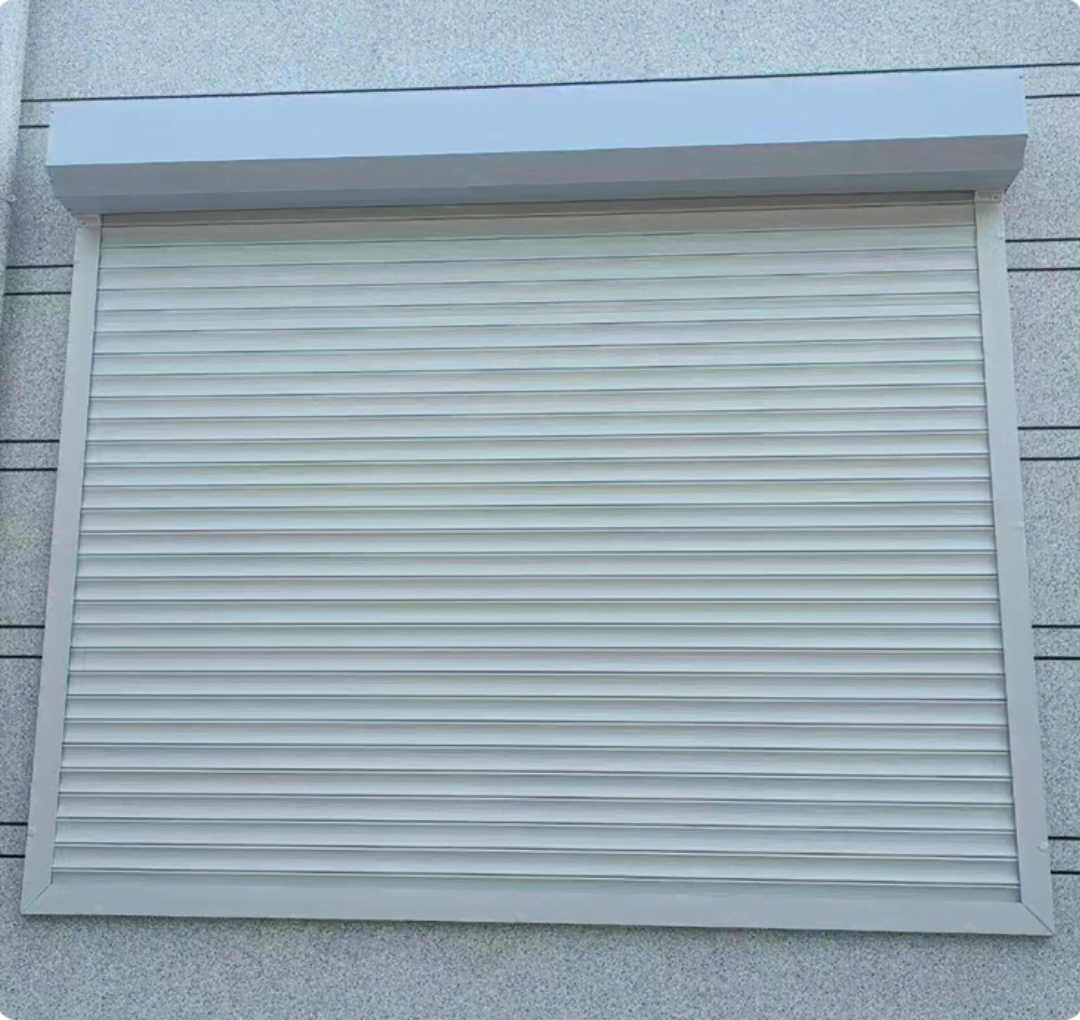
Roll-Up :La porte s'enroule en une bobine au-dessus de l'ouverture.
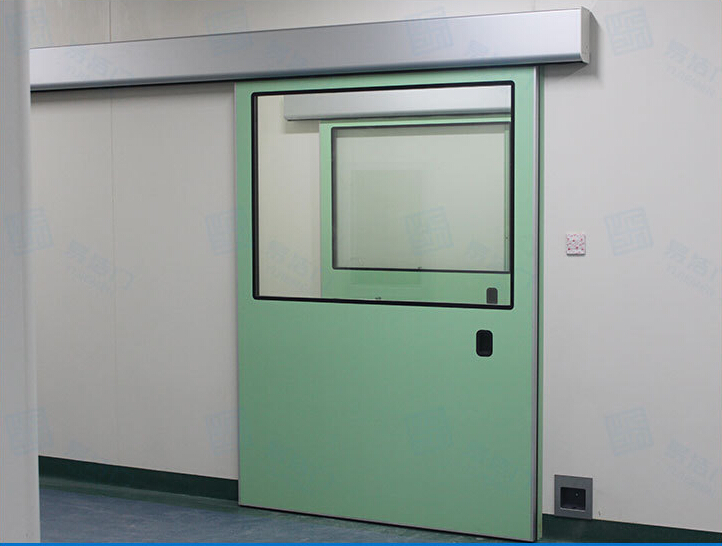
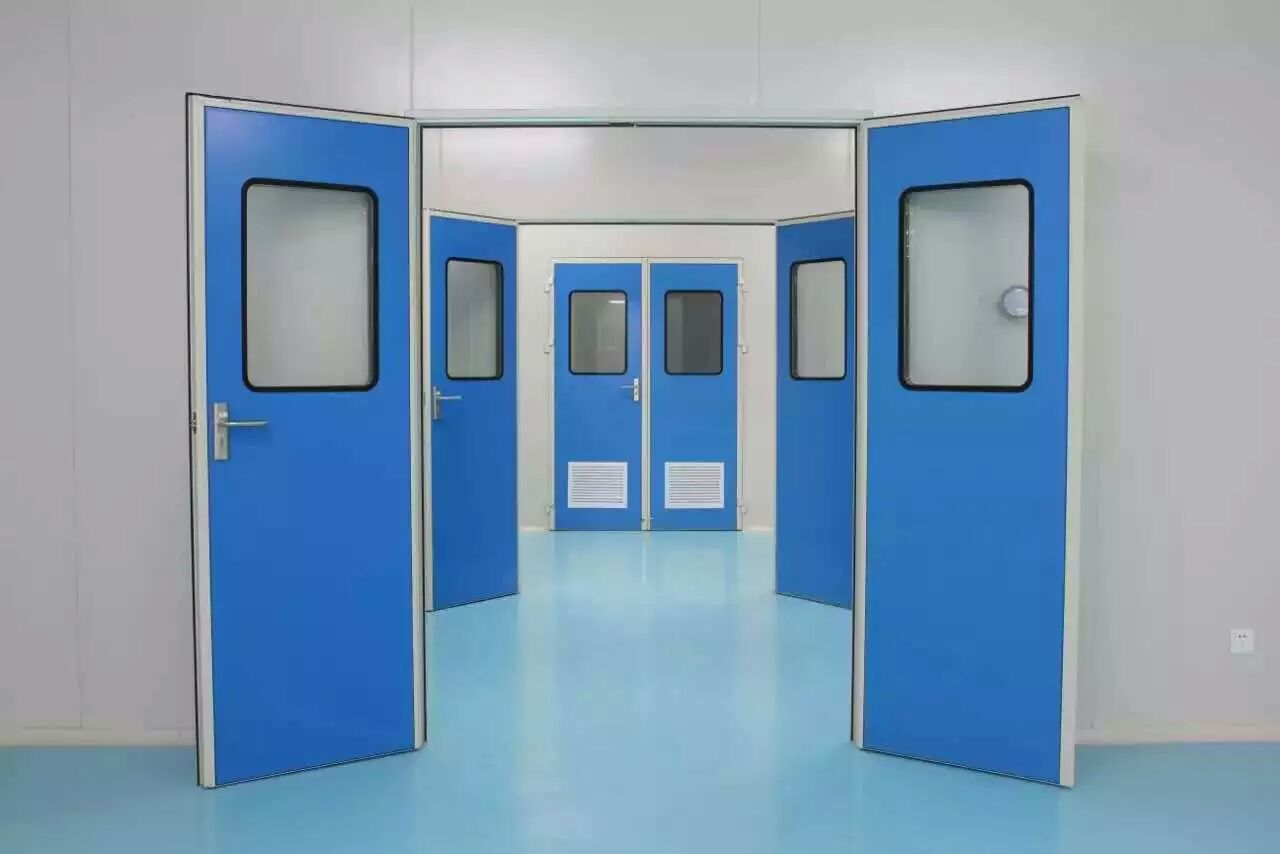
Latéralement (Swing/Slide):La porte s'ouvre ou coulisse sur le côté.
Q2: La porte peut-elle s'ouvrir automatiquement?
A : Oui ! De nombreuses portes d'ascenseur industrielles utilisent des capteurs, des télécommandes ou des boutons pour s'ouvrir et se fermer automatiquement.
Q3: Et si l'électricité est éteinte? Je peux toujours ouvrir la porte ?
A : La plupart des portes ont un relâchement manuel (comme une chaîne ou une poignée) pour les ouvrir sans électricité.
Q4: Ces portes sont-elles sûres?
A : Oui, ils ont des fonctionnalités de sécurité comme des capteurs pour s'arrêter si quelque chose est en chemin et des boutons d'arrêt d'urgence.
Q5: Quelle méthode d'ouverture est la meilleure pour les petits espaces?
A : Les portes roulantes sont les meilleures pour les petits espaces car elles n’ont pas besoin d’espace supplémentaire pour balancer ou glisser.
Produits recommandés
Accessoires de porte automatique
- Capteur de bord de sécurité pour la protection anti-écrasement de la porte roulante rapide
- Boîte de commande servo-moteur 0,75KW à porte haute vitesse - Solution d'entraînement fiable et efficace
- Servo-moteur de 1,5 kW et boîte de commande - système d'entraînement à haute efficacité pour portes industrielles
- Fermetures à glissières de porte industrielles et fermetures à glissières de porte à grande vitesse - Accessoires de porte industriels durables
- Servo-entraînement à porte haute vitesse de 0,75KW - Solution industrielle fiable et économe en énergie
- Activateur de pédale de pied et capteur de barrière de faisceau de sécurité pour les portes coulissantes médicales
- Fermetures à glissières de porte industrielles et fermetures à glissières de porte à grande vitesse - Accessoires de porte industriels durables
- AOK-AC123 Rideau électrique Télécommande - Design sans fil avec vitrage en cristal acrylique résistant à l'usure
- Servo-moteur synchrone AC à aimant permanent avec mécanisme de réduction de ver pour porte à grande vitesse
- Servo-moteur synchrone de précision pour réduction de vitesse de porte haute vitesse
- Nouveau commutateur de capteur infrarouge imperméable à la surface
- Remplaçages de porte en PVC durables pour une sécurité renforcée
- Réparation automatique des rails en plastique / polymère de porte à fermeture à glissière
- Capteur de porte automatique intelligent pour le contrôle d'accès à roulement rapide
- Système de commande de porte rapide souple 1.5kw Servo moteur et boîte de commande
- Contrôle d'accès automatique Square Surface Mount Infrared Non-Contact Switch
- Ceinture de chauffage électrique auto-limitante renforcée à l'épreuve des explosions
- Ceinture de chauffage électrique à température auto-controllée à l'épreuve des explosions
- Ceinture de chauffage pour antigel, chauffage et préservation de la chaleur des portes de stockage froid
- Ceinture de chauffage électrique auto-limité ignifuge 40W anti-explosion