

전기 슬라이딩 도어와 전기 스윙 도어 사이의 차이점
1.구조 및 운영 차이점
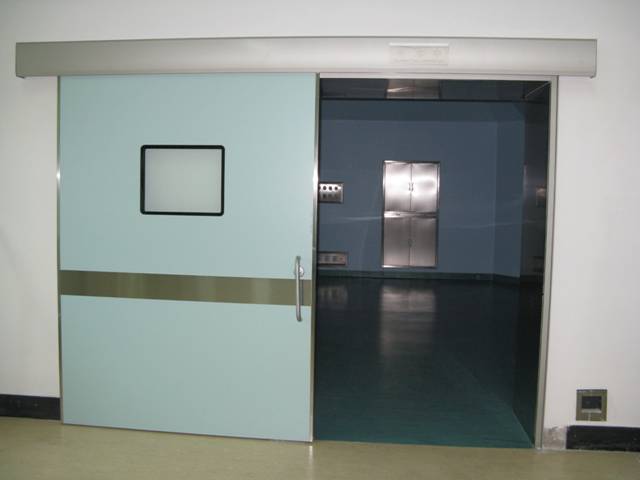
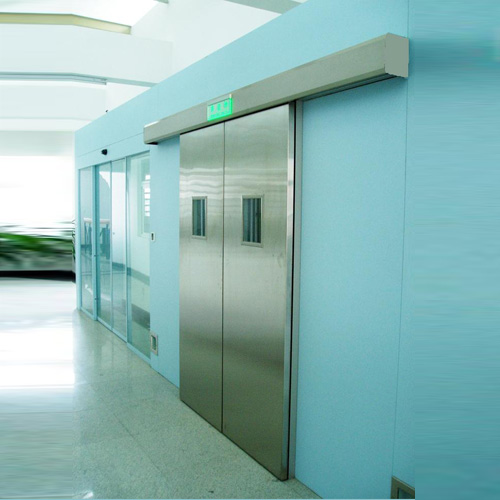
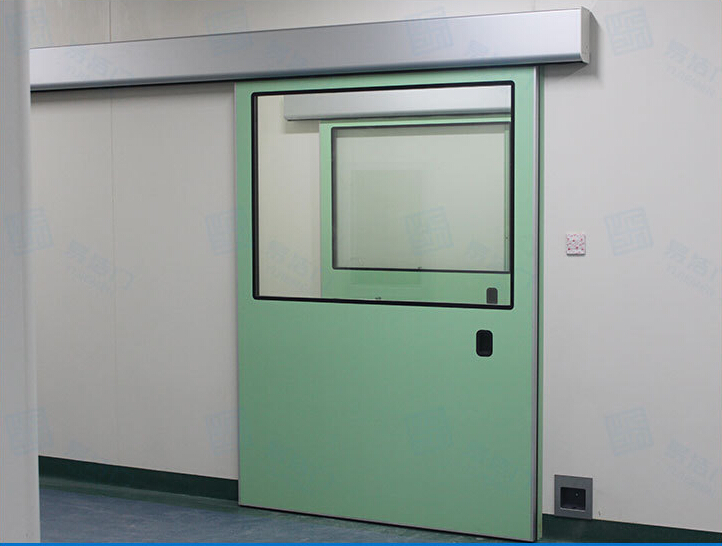
전기 슬라이딩 도어 Electric Sliding Doors
운영 원칙: 동기 벨트 또는 랙 앤 피니언 시스템을 통해 모터에 의해 구동되는 도어 패널은 트랙을 따라 수평으로 슬라이딩됩니다.상단형 (오버헤드 트랙) 또는 하단형 ( 바닥형 내장 트랙) 구성으로 제공됩니다.
주요 구성 요소: 메인 컨트롤러, 모션 센서, 전력 모터, 동기식 벨트, 트랙 시스템 및 서스펜션 하드웨어.
기능: 원활한 작동, 낮은 노이즈 (특히 자기부동 유형), 다중 패널 동기화 지원 및 공간 효율성.
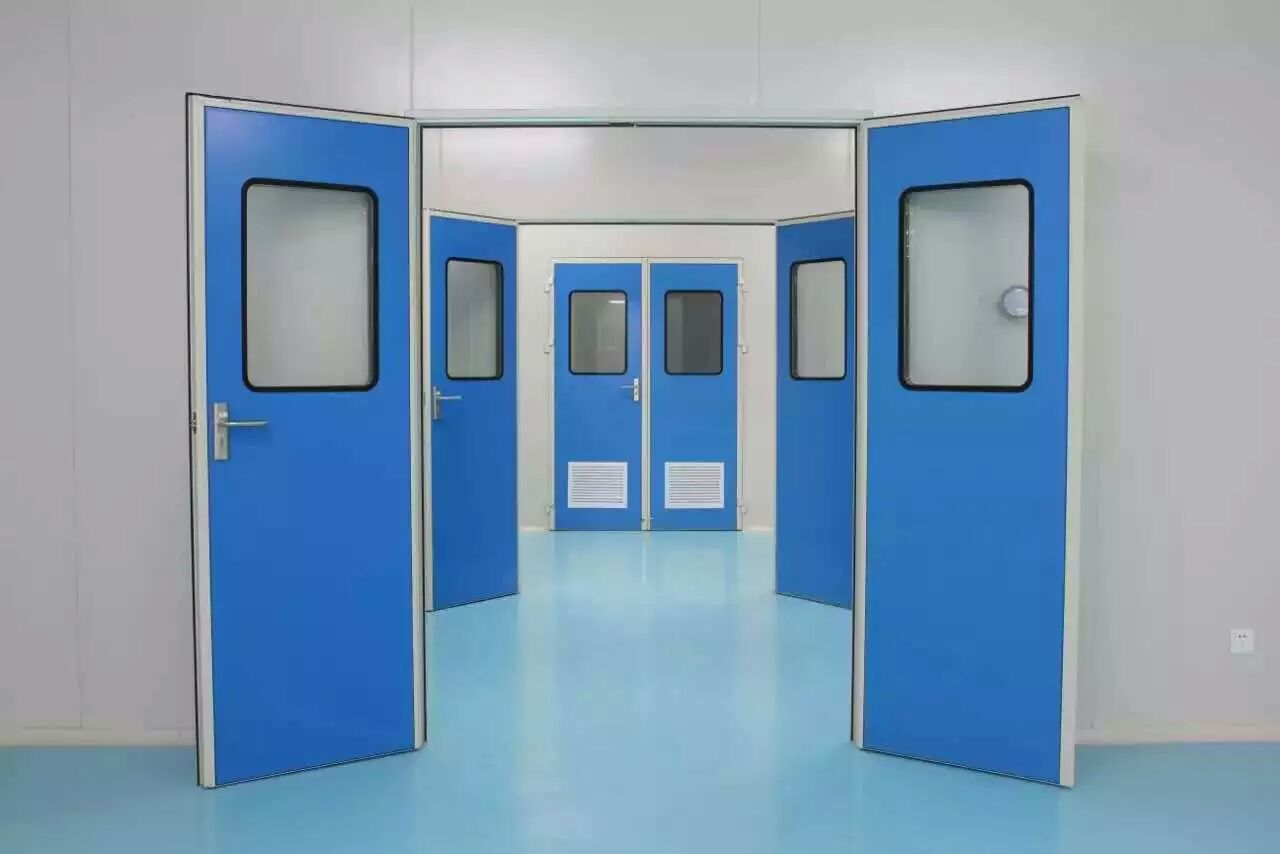
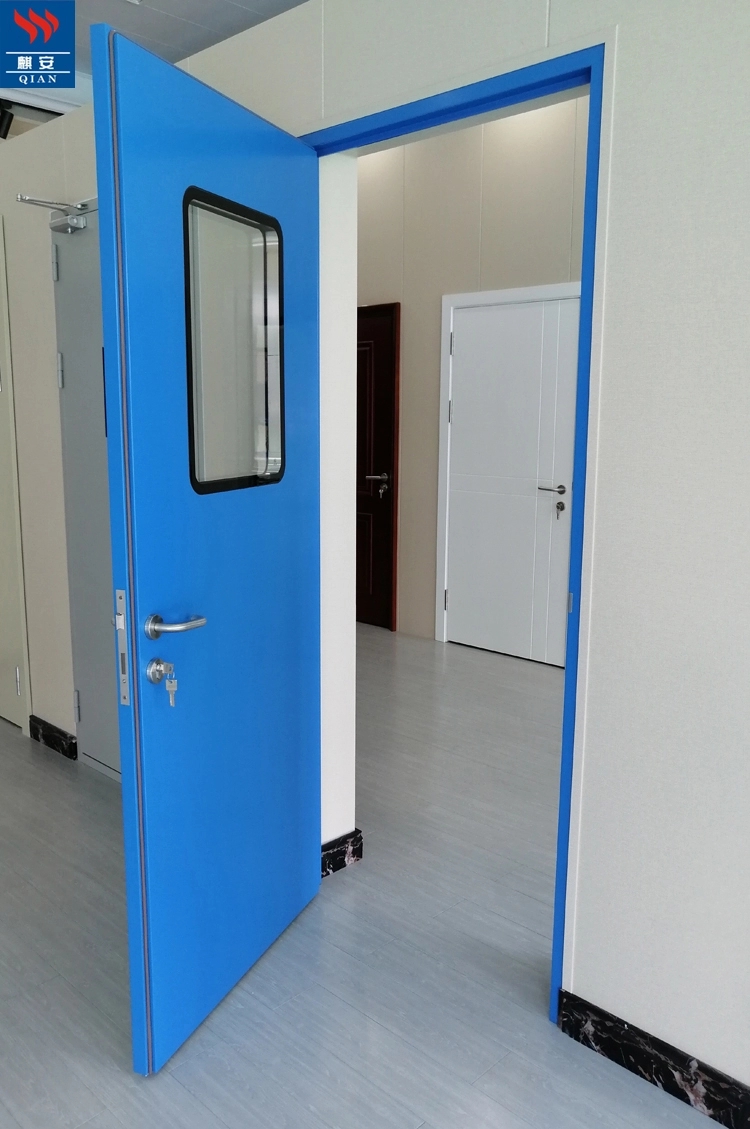
전기 스윙 도어 Electric Swing Doors
운영 원칙: 수직 힌지 축을 중심으로 유압 닫기 또는 모터 구동 메커니즘으로 바깥쪽 또는 안쪽으로 회전합니다.
주요 구성 요소: 메인 컨트롤러, 도어 클로저, 전원 모터 및 힌지 어셈블리.
기능: 넓은 개구角 (최대 90 °), 우수한 밀봉, 하지만 완전한 작동을 위해 넓은 클리어런스가 필요합니다.

2.응용 프로그램 시나리오
전기 슬라이딩 도어 Electric Sliding Doors
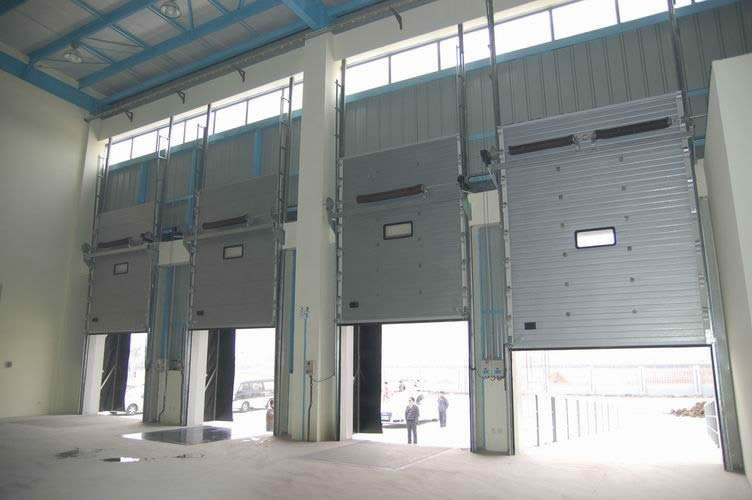
산업 및 창고 시설: 넓은 범위, 고주파 작동 및 바람 저항이 필요한 공장, 창고 및 물류 센터에 이상적입니다.
클린룸 환경: 제약, 전자제품 제조 및 식품 가공 산업, 공기 밀봉 및 비접촉 작동 (예:센서 활성화 (sensor activation) 가 중요합니다.
상업용 공간: 보행자가 많고 빠른 접근이 필요한 쇼핑몰, 병원 및 사무실 건물.
전기 스윙 도어 Electric Swing Doors
Residential 및 Villa Settings: 게이트, 차고 및 안뜰, 미학적 다용성으로 평가 (예:알루미늄 또는 스테인레스 스틸 (Stainless Steel)
전문 산업용: 청결성 또는 안전 수준이 다른 구역 간에 신속한 격리를 요구하는 실험실 또는 작업장.
비상 출구: 이중 액션 스윙 도어는 화재 출구 또는 보안이 높은 지역에 적합한 양방향 개방을 가능하게합니다.
3.기능 비교
| 특성 | 전기 슬라이딩 도어 Electric Sliding Doors | 전기 스윙 도어 Electric Swing Doors |
|---|---|---|
| 바람 저항력 (wind resistance) | 높은 (큰 스팬 및 강한 바람 부하에 적합) | 중간 (바람으로 흔들리기 쉬운 패널) |
| 실링 성능 | 중간 ( 트랙 간격이 씰링을 손상시킬 수 있음) | 높은 (패널과 프레임 사이의 단단한 밀봉) |
| 스마트 기능 | 원격 제어, 다중 패널 조정, 가변 속도 | 액세스 제어 시스템과의 통합, 제한된 조정 |
| 유지 보수 비용 | 트랙 클리닝이 필요하며, 상단형 유형에서는 복잡합니다. | 힌지 윤활 및 조정이 필요합니다. |
| 설치 요구 사항 | 트랙 내장; 낮은 바닥 평면도 요구 사항 | 회전에 대한 클리어런스; 프레임 정렬 |
4.원가 및 선택 기준
슬라이딩 도어 비용: 높은 초기 제조 (자재 및 노동 집약적) 하지만 대량 생산에 경제; 자기lev 유형은 높은 초기 비용으로 에너지 절약을 제공합니다.
스윙 도어 비용: 표준 모델의 경우 낮지만 프리미엄 버전 (예:방음 또는 방사선 차단) 은 슬라이딩 도어 가격을 초과 할 수 있습니다.
선택 기준:
슬라이딩 도어 우선순위 지정: 공간 제약, 고주파 작동 또는 엄격한 청결 요구 사항.
스윙 도어 우선순위 지정: 우수한 밀봉, 더 작은 도어 크기 또는 양방향 액세스가 필요합니다.
요약
애플리케이션별 요구 사항에 따라 최적의 선택이 결정됩니다.
슬라이딩 문 우수하다. 넓은 범위, 높은 트래픽 및 클린룸 환경 (e.g.,공장 , 병원 , 전자 시설)
스스스스싱 문 우선순위를 지정하다. 밀봉 무결성, 미학 및 비상 기능 (e.g.,빌 라 , 실험 실 , 또는 안전한 구역)
최종 결정은 예산, 유지보수 가능성 및 현장별 설치 조건을 고려해야 합니다.
Q: 어떤 종류의 문이 교통량이 많은 산업 시설에 더 적합합니까?
A: 전기 슬라이딩 도어는 다음을 위해 excel:
→ 처리량: 100 + cycles / hour 용량 → 공간 효율성: 전면 클리어런스 없음 (Zero frontal clearance required) → 내구성 (Durity): 포크크리프트의 충격에 저항하는 강철 트랙스윙 도어는 다음과 같이 어려움을 겪고 있습니다.자주 활성화되는 착용 클리어런스 Arcs Required
Q: 기후 통제 환경에서의 에너지 손실은 어떻게 비교됩니까?
A: 테스트된 성능:
• 슬라이딩 문: 0. 3 m 3 / s 공기 누출 @ 75 Pa (표준 가스켓) · 스스스스싱 문: 0. 9 m 3 / s @ 75 Pa (자동 닫기 장치 사용 중에도)솔루션: 슬라이딩 도어 + 브러시 씰은 손실을 60% 줄입니다.
Q: 접근성 규정 준수의 차이점은 무엇입니까?
A: 규정은 다음과 같은 용도로 슬라이딩 도어를 선호합니다.
✔ ADA / EN 16005 최소 36 " 뚜렷한 개구부 ✔ 핸즈프리 활성화 옵션 ✔ 예측 가능한 움직임 패턴스윙 도어는 다음을 요구합니다.
지연된 닫기 메커니즘 더 넓은 이동 간격
Q: 어떤 것이 제어된 액세스 영역에 더 나은 보안을 제공합니까?
A: 기능 비교:
슬라이딩 문: · 통합 금속 탐지기 · 안티 리프트 롤러 시스템
스스스스싱 문: · 다중 포인트 잠금 옵션 · 강제 진입에 대한 저항성 향상
최신 자동 도어 액세서리
- 빠른 롤 도어 Anti - Crushing 보호를 위한 안전 에지 센서
- 고속 도어 0. 75 KW 서보 모터 제어 박스 세트 - 신뢰할 수 있고 효율적인 드라이브 솔루션
- 1. 5 KW 서보 모터 & 제어 박스 조합 - 산업용 도어용 고효율 드라이브 시스템
- 산업용 도어 지퍼 및 고속 도어 지퍼 - 내구성 산업용 도어 액세서리
- 0. 75 KW 고속 도어 서보 드라이브 시스템 - 신뢰할 수 있고 에너지 절약형 산업 솔루션
- 제조업체 Foot Pedal Activator & Safety Beam Photocell Barrier Sensor for Medical Sliding Doors (의료 슬라이딩 도어용)
- 산업용 도어 지퍼 및 고속 도어 지퍼 - 내구성 산업용 도어 액세서리
- AOK - AC 123 전기 커튼 리모컨 - 마모 저항성 아크릴 크리스탈 패널 무선 디자인
- 고속 도어용 영구자석 AC 동기식 서보 모터와 웜 감소 메커니즘
- 고속 도어용 정밀 동기식 서보 모터 - 웜기어 감축
- 새로운 표면 장착 방수 적외선 센서 스위치
- 강화된 보안을 위한 내구성 PVC 고속 롤링 도어 피팅
- 지퍼 도어 플라스틱 / 폴리머 레일의 자동 수리
- 고속 롤링 액세스 제어를 위한 스마트 자동 도어 센서
- 소프트 빠른 게이트 제어 시스템 1. 5 kw 서보 모터 및 제어 박스
- 자동 액세스 제어 사각형 표면 마운트 적외선 비접촉 스위치
- 폭발 방지 강화 자체 제한 전기 난방 벨트
- 폭발 방지 차폐 자체 제어 온도 전기 난방 벨트
- 냉장고 도어의 냉동방지, 난방 및 열보존을 위한 난방벨트
- 40 W 난연제 폭발방지 자체제한 전기 가열 벨트