

Đặc điểm kỹ thuật cho thử nghiệm phòng ngã của cửa linh hoạt
Tổng quan về cổng linh hoạt
Cửa linh hoạt chủ yếu được làm bằng vật liệu có độ bền cao, chẳng hạn như sợi cường độ cao, vật liệu composite, vv, thiết kế của họ linh hoạt và thay đổi, và có thể thích ứng với các điều kiện môi trường và khí hậu khác nhau, so với cổng cứng truyền thống, cửa linh hoạt có khả năng chịu tác động tốt hơn, an toàn cao hơn và chi phí bảo trì thấp hơn, cửa linh hoạt cũng có cách âm tuyệt vời, cách nhiệt và chống trộm, và được sử dụng rộng rãi trong các tòa nhà dân cư, thương mại và cơ sở công cộng và các lĩnh vực khác.
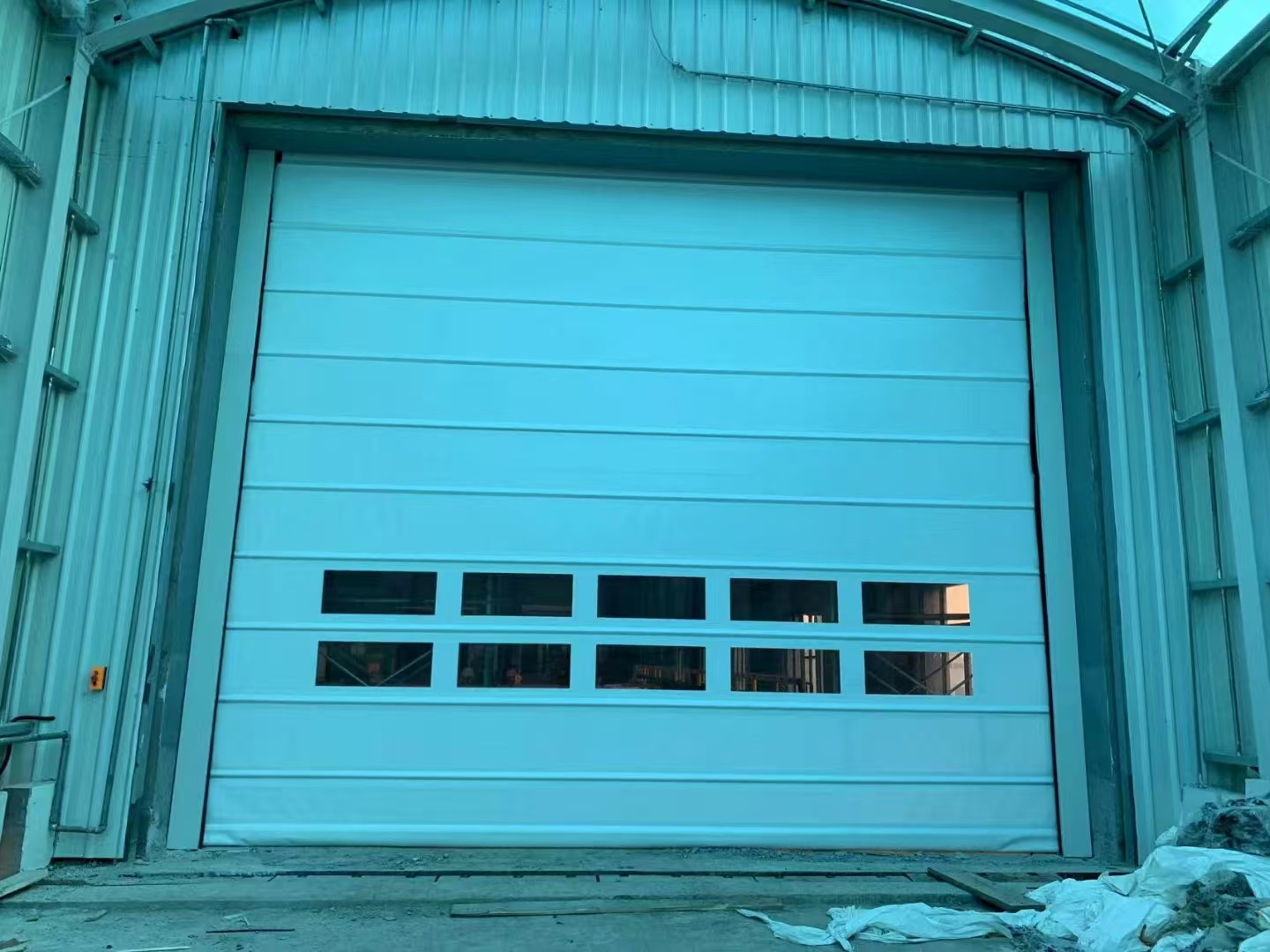
Tầm quan trọng của các thí nghiệm bắt giữ rơi
Kiểm tra chống ngã là một phương tiện quan trọng để đánh giá hiệu suất an toàn của cổng linh hoạt, bằng cách mô phỏng kịch bản sử dụng thực tế, hiệu suất chống ngã của cửa linh hoạt được đánh giá định lượng, thí nghiệm này có thể kiểm tra hiệu suất của cửa trong trường hợp tác động bên ngoài hoặc tai nạn, để cung cấp cho người tiêu dùng các sản phẩm an toàn và đáng tin cậy, và thử nghiệm chống rơi cũng có thể cung cấp dữ liệu có giá trị cho các nhà sản xuất để cải thiện thiết kế sản phẩm và cải thiện chất lượng sản phẩm.
Phương pháp thử nghiệm Fall Arrest
Thử nghiệm bắt ngã cho cửa linh hoạt thường bao gồm các bước sau:
1. Chọn các địa điểm thử nghiệm và thiết bị phù hợp để đảm bảo rằng điều kiện thử nghiệm đáp ứng các tiêu chuẩn có liên quan.
2. Các thử nghiệm tải tĩnh và động được thực hiện trên cổng linh hoạt để mô phỏng lực trong các kịch bản khác nhau.
3. Ghi lại sự biến dạng, nứt và gãy gãy của cổng khi nó bị tác động.
4. Phân tích dữ liệu thử nghiệm và đánh giá hiệu suất chống rơi của cổng.
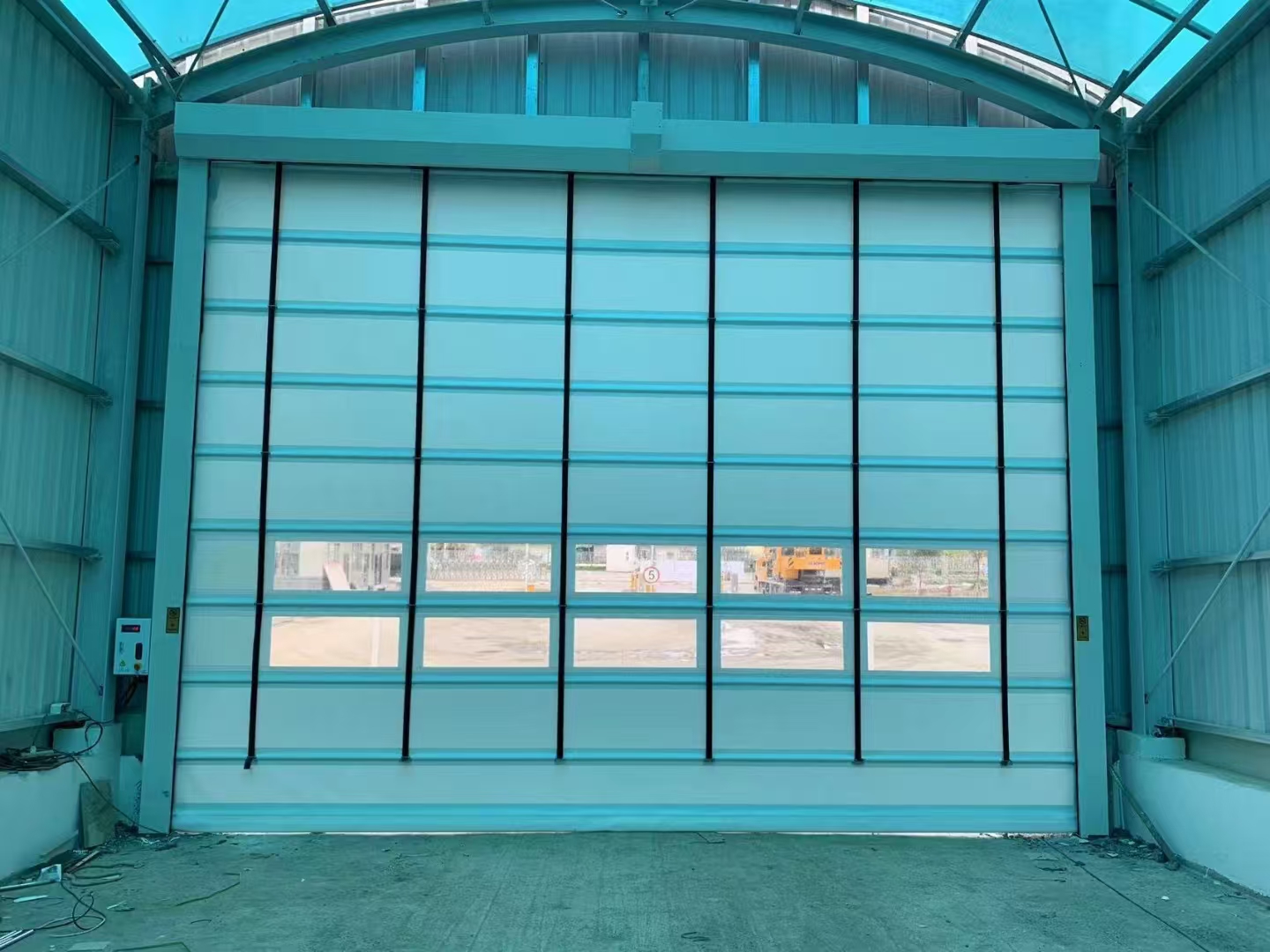
Thách thức và giải pháp của các thí nghiệm phòng ngã cho cổng linh hoạt
Những thách thức chính mà cửa linh hoạt phải đối mặt trong các thí nghiệm bắt ngã bao gồm độ bền vật liệu, thiết kế cấu trúc và tiêu chuẩn hóa các phương pháp thử nghiệm, và các biện pháp sau đây có thể được thực hiện để giải quyết những thách thức này:
1. Sức mạnh vật liệu: chọn vật liệu cường độ cao để đảm bảo rằng cổng có thể duy trì đủ sức mạnh và ổn định khi bị tác động.
2. Thiết kế kết cấu: tối ưu hóa thiết kế cấu trúc của cổng, cải thiện khả năng chịu tác động của nó và nhận ra sự cân bằng giữa trọng lượng nhẹ và độ bền cao của cổng bằng cách sử dụng phần mềm thiết kế cấu trúc tiên tiến và phương tiện kỹ thuật.
3. Tiêu chuẩn hóa các phương pháp thử nghiệm: xây dựng các tiêu chuẩn thử nghiệm chống rơi thống nhất để đảm bảo tính so sánh và độ tin cậy của kết quả thử nghiệm, tăng cường hợp tác và trao đổi với các tổ chức liên quan trong và ngoài nước, và thúc đẩy sự đổi mới và phát triển liên tục của công nghệ thử nghiệm.
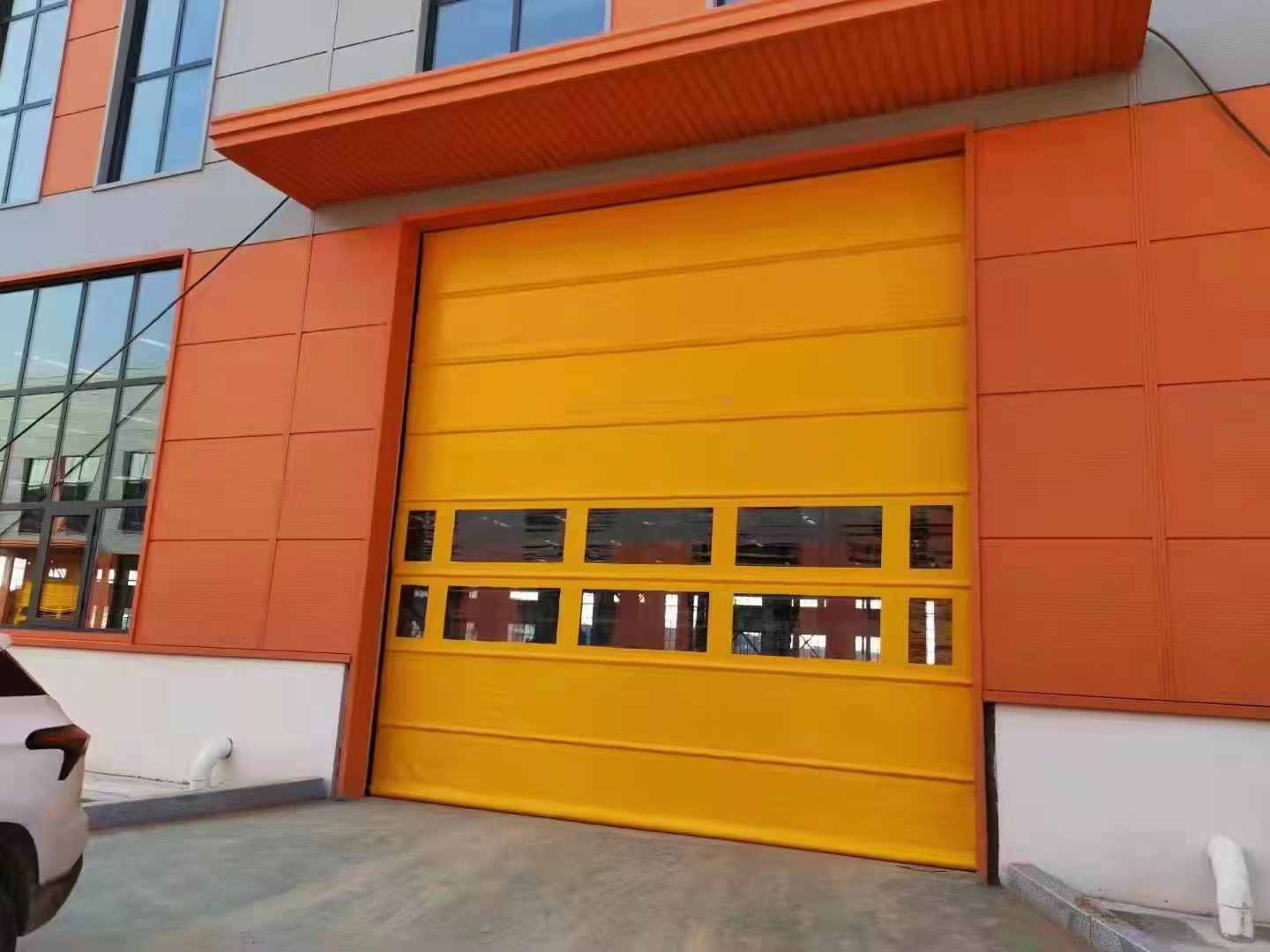
Triển vọng ứng dụng thử nghiệm phòng ngã của cổng linh hoạt
Với sự phát triển liên tục của ngành xây dựng, nhu cầu về cửa linh hoạt sẽ tiếp tục phát triển, và thử nghiệm phòng ngã, như một phương tiện quan trọng để đánh giá hiệu suất an toàn của cổng linh hoạt, sẽ đóng một vai trò quan trọng trong các khía cạnh sau:
1. Nâng cao khả năng cạnh tranh của sản phẩm: Bằng cách thực hiện các thí nghiệm chống ngã, các nhà sản xuất có thể chứng minh hiệu suất an toàn của sản phẩm của họ, cải thiện niềm tin của người tiêu dùng vào sản phẩm của họ, và do đó tăng cường khả năng cạnh tranh của sản phẩm.
2. Thúc đẩy đổi mới công nghệ: Thử nghiệm chống rơi cung cấp cho các nhà sản xuất cơ hội để cải thiện thiết kế sản phẩm và cải thiện chất lượng sản phẩm.
3.Đảm bảo an toàn công cộng: Cổng linh hoạt được sử dụng rộng rãi trong các cơ sở công cộng, tòa nhà dân cư và thương mại và các lĩnh vực khác, và bằng cách tiến hành các thí nghiệm chống ngã, nó có thể đảm bảo rằng các cổng này có thể duy trì sự ổn định trong các tình huống bất ngờ và đảm bảo an toàn công cộng.
Là một loại cấu trúc cửa mới, thử nghiệm chống ngã là một chỉ số quan trọng để đánh giá hiệu suất an toàn của cửa linh hoạt, có ý nghĩa rất lớn để tăng cường khả năng cạnh tranh của sản phẩm, thúc đẩy đổi mới công nghệ và đảm bảo an toàn công cộng, với sự tiến bộ liên tục của công nghệ và cải thiện liên tục các tiêu chuẩn, thử nghiệm chống ngã của cửa linh hoạt sẽ đóng vai trò quan trọng hơn.
Sản phẩm được đề nghị
mới nhấtPụ kiện cửa tự động
- Cảm biến cạnh an toàn cho bảo vệ chống nghiền cửa cuộn nhanh
- Bộ hộp điều khiển động cơ Servo tốc độ cao 0,75KW - Giải pháp lái xe đáng tin cậy và hiệu quả
- 1.5KW Servo Motor & hộp điều khiển kết hợp - Hệ thống truyền động hiệu quả cao cho cửa công nghiệp
- Dây kéo cửa công nghiệp & Dây kéo cửa tốc độ cao - Phụ kiện cửa công nghiệp bền
- Hệ thống Servo tốc độ cao 0,75KW - Giải pháp công nghiệp đáng tin cậy và tiết kiệm năng lượng
- Các nhà sản xuất Bộ kích hoạt bàn đạp chân & Cảm biến rào cản quang điện an toàn cho cửa trượt y tế
- Dây kéo cửa công nghiệp & Dây kéo cửa tốc độ cao - Phụ kiện cửa công nghiệp bền
- Điều khiển từ xa rèm điện AOK-AC123 - Thiết kế không dây với ngăn kính acrylic chống mài mòn
- Nam châm vĩnh cửu AC động cơ servo đồng bộ với cơ chế giảm sâu cho cửa tốc độ cao
- Động cơ Servo đồng bộ chính xác cho cửa tốc độ cao - Giảm bánh răng sâu
- Công tắc cảm biến hồng ngoại không thấm nước mới gắn trên bề mặt
- Phụ kiện cửa cán nhanh PVC bền để tăng cường bảo mật
- Tự động sửa chữa cửa Zipper Nhựa / Polymer Rails
- Cảm biến cửa tự động thông minh để kiểm soát truy cập nhanh
- Hệ thống điều khiển cổng nhanh mềm 1.5kw Servo Motor và hộp điều khiển
- Kiểm soát truy cập tự động Bề mặt vuông gắn hồng ngoại không tiếp xúc chuyển đổi
- Dây đai sưởi điện tự giới hạn chống cháy nổ
- Vành đai sưởi ấm bằng điện tự kiểm soát nhiệt độ chống cháy nổ
- Vành đai sưởi ấm để chống đóng băng, sưởi ấm và bảo quản nhiệt của cửa lưu trữ lạnh
- Dây đai sưởi điện tự giới hạn chống cháy 40W