

Ngành công nghiệp cửa tốc độ cao: Công nghệ, ứng dụng và động lực thị trường
1. Tổng quan ngành
Cửa tốc độ cao (HSD), còn được gọi là cửa trập con lăn nhanh, là các thành phần quan trọng trong cơ sở hạ tầng công nghiệp và thương mại hiện đại. Được thiết kế cho hoạt động dọc với tốc độ từ 0.6 to 2.1 m/sNhững cánh cửa này tối ưu hóa hiệu quả năng lượng, nâng cao năng suất quy trình làm việc và duy trì môi trường được kiểm soát.
2. Tiến bộ công nghệ
Hệ thống điều khiển và điều khiển
Tự động hóa thông minhHSD hiện đại tích hợp PLC và ổ đĩa tần số biến (VFD) để cho phép tăng tốc / giảm tốc mượt mà, giảm mài mòn cơ học và tiếng ồn. Máy mã hóa quay đạt được độ chính xác định vị trong0.3 mm mmđảm bảo hoạt động chính xác trong môi trường giao thông cao
Cơ chế an toànCảm biến cảm ứng radar, hồng ngoại và từ ngăn chặn va chạm, trong khi hệ thống phanh khẩn cấp tăng cường an toàn hoạt động. Một số mô hình có chức năng đặt lại tự động để giảm thiểu thời gian ngừng hoạt động
Đổi mới vật liệu
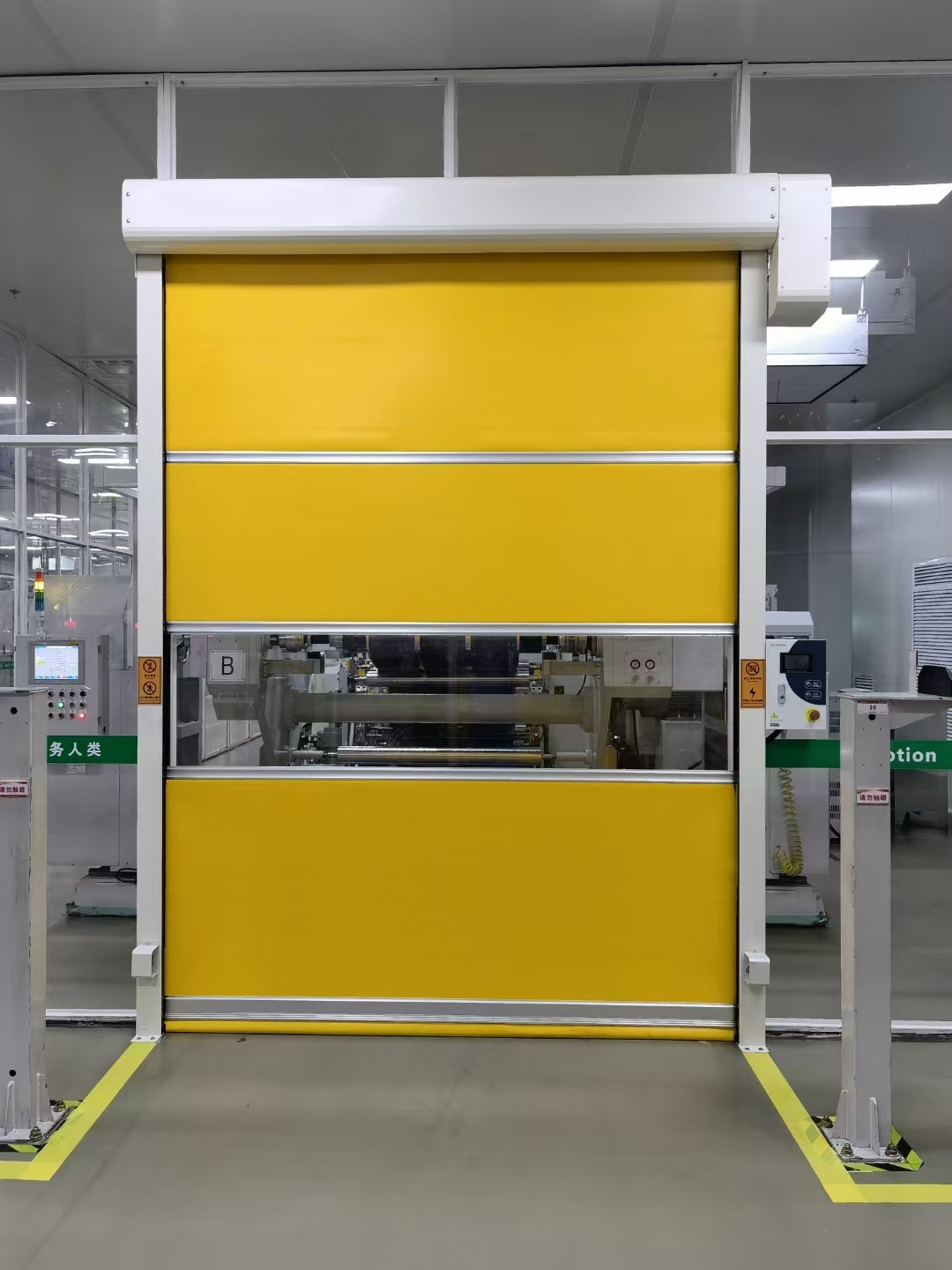
Vật liệu rèm cửaPhim PVC và PVDF thống trị do độ bền và khả năng chống lại môi trường của chúng. Tính chất tự làm sạch và chống tia cực tím của PVDF làm cho nó lý tưởng cho phòng sạch, trong khi vải PVC tăng cường đáp ứng các tiêu chuẩn chống cháy và chống ăn mòn
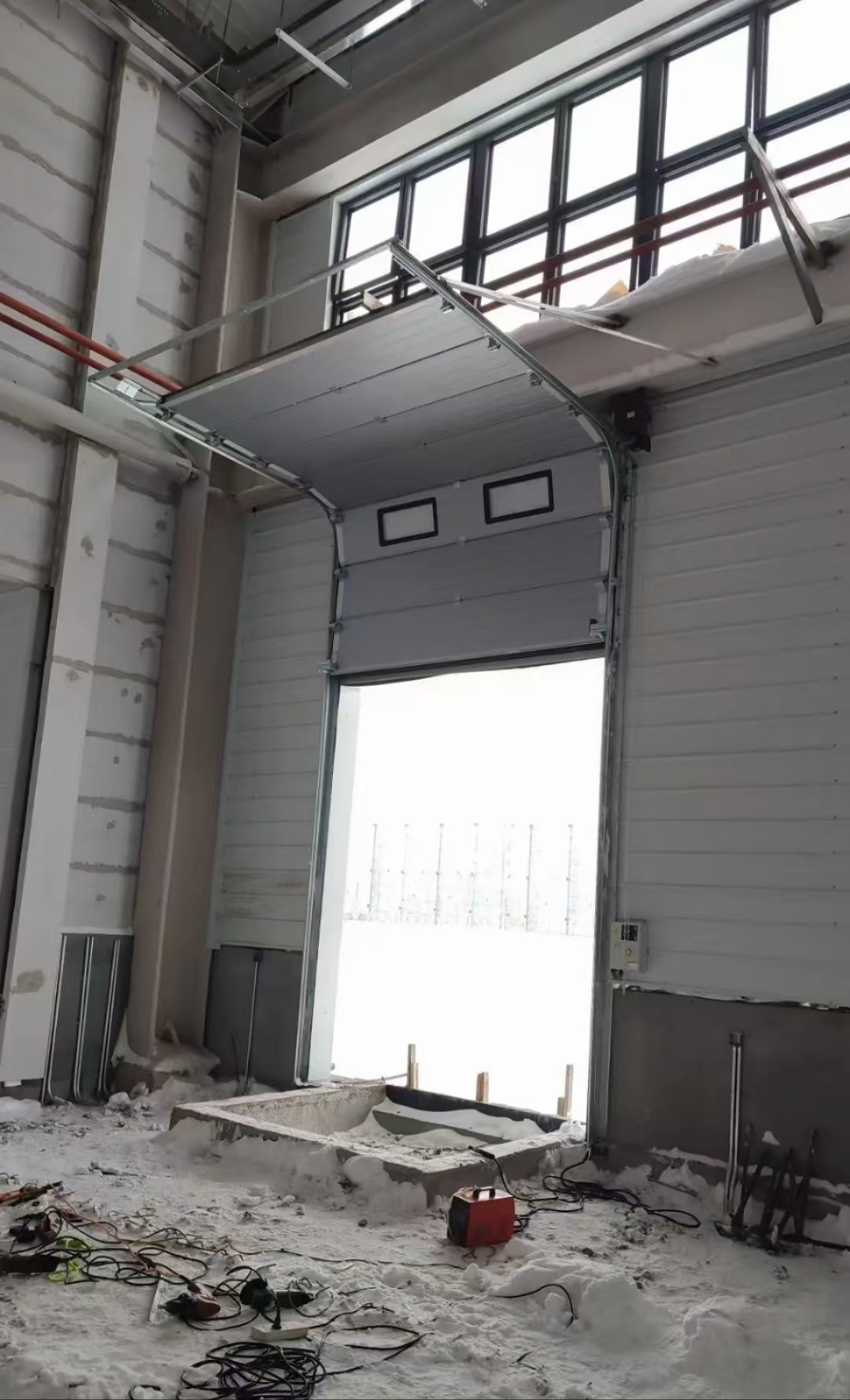
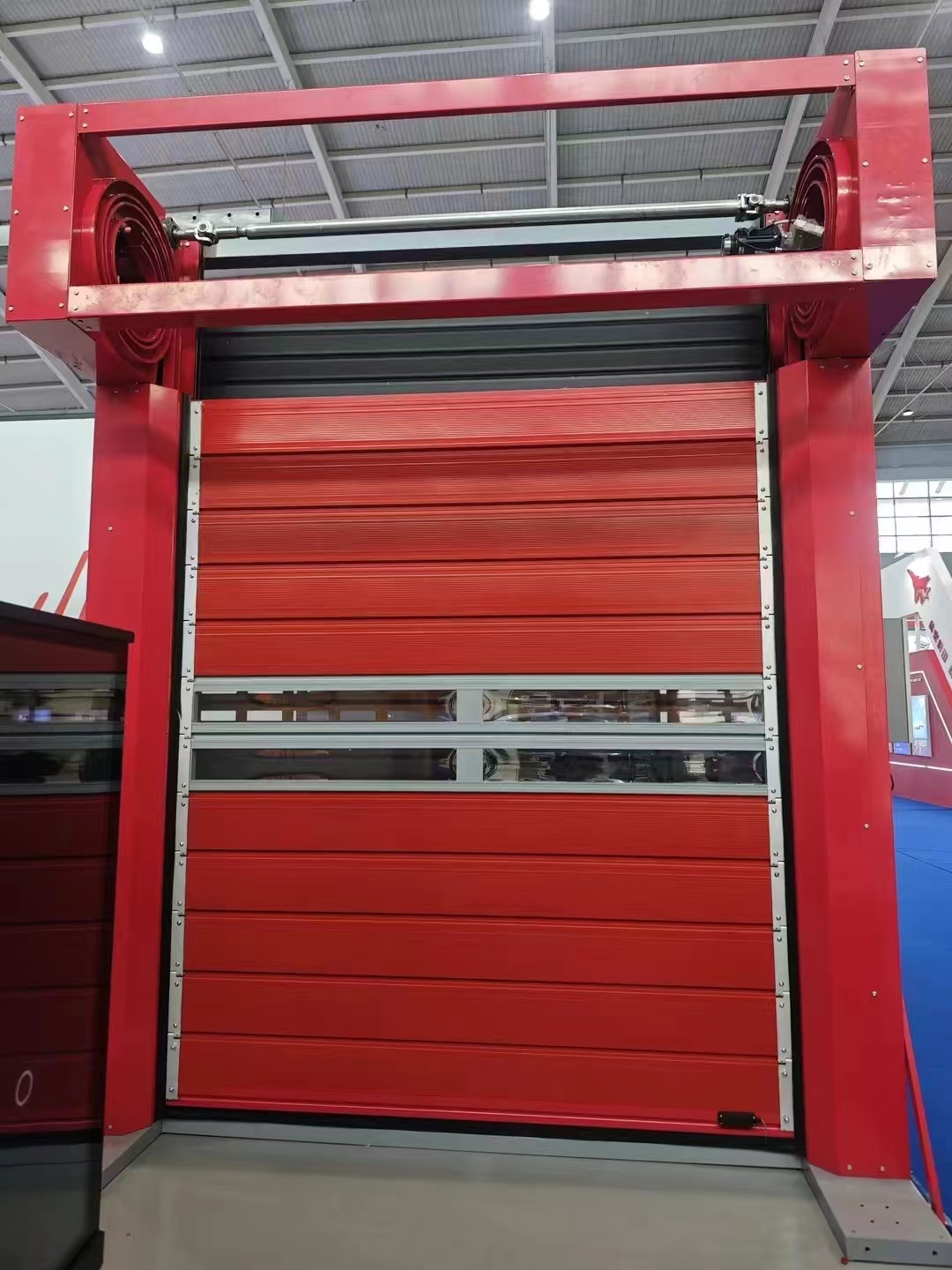
Thiết kế kết cấu : HSD cứng với tấm nhôm hoặc thép chịu được tải gió lên đếnCấp độ 12 (quy mô Beaufort), phục vụ điều kiện khắc nghiệt trong kho lạnh và sản xuất ô tô
Hiệu quả năng lượng
Hệ thống niêm phong tiên tiến giảm trao đổi không khí bằng cách30–50%quan trọng cho các cơ sở kiểm soát nhiệt độ. Động cơ công suất thấp và vật liệu cách nhiệt phù hợp với các sáng kiến trung lập carbon toàn cầu
3. Các ứng dụng chính
Công nghiệp và Hậu cần
Kho khoHSD hợp lý hóa thông lượng hàng hóa trong các trung tâm phân phối trong khi duy trì môi trường không bụi. Vận hành nhanh chóng của chúng giảm thiểu mất nhiệt trong hậu cần chuỗi lạnh, giảm chi phí năng lượng
Sản xuấtTrong lĩnh vực ô tô và điện tử, HSD cô lập các khu vực sản xuất, ngăn chặn ô nhiễm chéo và hỗ trợ các tiêu chuẩn phòng sạch ISO Class 8
Chăm sóc sức khỏe và chế biến thực phẩm
Dược phẩmHSD đảm bảo môi trường vô trùng trong sản xuất thuốc, tuân thủ các quy định GMP.
An toàn thực phẩm : Con dấu kín không khí và vật liệu chống vi khuẩn ngăn chặn sự xâm nhập sâu bệnh và duy trì vệ sinh trong các nhà máy chế biến
Cơ sở hạ tầng công cộng
Các trạm tàu điện ngầm, sân bay và cơ sở đỗ xe sử dụng HSD để quản lý giao thông hiệu quả và giảm tiếng ồn
4. Xu hướng thị trường và động lực
Tích hợp thông minh và IoT
Giám sát từ xa, bảo trì dự đoán và đồng bộ hóa nhiều cửa nâng cao hiệu quả hoạt động. Hệ thống nhận dạng đối tượng dựa trên AI cho phép hoạt động tự chủ trong các khu vực giao thông cao.
Yêu cầu bền vững
Khung nhôm tái chế và vải PVC không độc hại phù hợp với các nguyên tắc kinh tế tuần hoàn. Các thiết kế tiết kiệm năng lượng giảm chi phí hoạt động hàng năm bằng cách15–20% .
Tùy chỉnh và Toàn cầu hóa
Các biến thể chống nổ và chống ẩm phục vụ các thị trường thích hợp như các nhà máy hóa chất. Các nhà sản xuất Trung Quốc, tận dụng lợi thế chi phí, thống trịXuất khẩu Đông Nam Á và châu Âu, đạt đượcTăng trưởng hàng năm 15%
5. Thách thức và khuyến nghị chiến lược
Kỹ thuật Bottlenecks
Sự phụ thuộc vào bộ mã hóa nhập khẩu và các thành phần chính xác làm tăng chi phí. Địa phương hóa R&D cho các bộ phận quan trọng là điều cần thiết để cải thiện khả năng chi phí phải chăng
Phức tạp bảo trì
Vận hành tần số cao (500-800 chu kỳ / ngày) tăng tốc mài mòn trên đường ray và động cơ. Các giao thức bảo trì chủ động và thiết kế mô-đun có thể kéo dài tuổi thọ
Tuân thủ quy định
Tuân thủ các tiêu chuẩn quốc tế (ví dụ: EN 13241-1 cho cửa công nghiệp) đảm bảo tiếp cận thị trường và đủ điều kiện cho trợ cấp xanh
Sự khác biệt thị trường
Doanh nghiệp vừa và nhỏ (SMEs) nên tập trung vào thị trường khu vực, cung cấp dịch vụ lắp đặt và bảo trì end-to-end để cạnh tranh với các cầu thủ toàn cầu
Q1: Công nghệ cốt lõi của cửa tốc độ cao là gì?
A1: Các công nghệ chính bao gồm hệ thống lái servo tần số cao, rèm composite nhẹ, điều khiển cảm biến thông minh và thiết bị phanh nhanh. Những điều này cùng nhau cho phép tốc độ mở / đóng 1-2m / s trong khi đảm bảo an toàn và độ bền.
Q2: Các ngành công nghiệp nào chủ yếu sử dụng cửa tốc độ cao?
A2: Các ứng dụng chính:
Thực phẩm/dược phẩm (phòng sạch)
Hậu cần (kho tự động)
Ô tô (cửa hàng sơn)
Điện tử (môi trường chống tĩnh điện) Các cơ sở này yêu cầu tách nhanh các khu vực với nhiệt độ / độ ẩm hoặc mức độ sạch sẽ khác nhau.
Q3: Những lợi thế nào mà cửa tốc độ cao cung cấp so với cửa công nghiệp truyền thống?
A3: Lợi thế chính:
Hoạt động nhanh hơn 5-10x
Tiết kiệm năng lượng 60% bằng cách giảm trao đổi không khí
Tích hợp liền mạch với tự động hóa nhà máy
Tăng cường an toàn với cảm biến quang điện và dừng khẩn cấp
Q4: Động lực thị trường chính cho cửa tốc độ cao là gì?
A4: Các động cơ tăng trưởng:
Xu hướng tự động hóa sản xuất
Quy định hiệu quả năng lượng nghiêm ngặt hơn
Mở rộng logistics chuỗi lạnh Thách thức:
Nhập khẩu phụ thuộc cho các thành phần cao cấp
Nhạy cảm về giá giữa các doanh nghiệp vừa và nhỏ
Q5: Xu hướng công nghệ trong tương lai là gì?
A5: Sự phát triển mới nổi:
Tích hợp IoT cho giám sát từ xa
Vật liệu tổng hợp tiên tiến
Thiết kế kín không khí được cải thiện
Các thuật toán điều khiển thích ứng được hỗ trợ bởi AI
Sản phẩm được đề nghị
mới nhấtPụ kiện cửa tự động
- Cảm biến cạnh an toàn cho bảo vệ chống nghiền cửa cuộn nhanh
- Bộ hộp điều khiển động cơ Servo tốc độ cao 0,75KW - Giải pháp lái xe đáng tin cậy và hiệu quả
- 1.5KW Servo Motor & hộp điều khiển kết hợp - Hệ thống truyền động hiệu quả cao cho cửa công nghiệp
- Dây kéo cửa công nghiệp & Dây kéo cửa tốc độ cao - Phụ kiện cửa công nghiệp bền
- Hệ thống Servo tốc độ cao 0,75KW - Giải pháp công nghiệp đáng tin cậy và tiết kiệm năng lượng
- Các nhà sản xuất Bộ kích hoạt bàn đạp chân & Cảm biến rào cản quang điện an toàn cho cửa trượt y tế
- Dây kéo cửa công nghiệp & Dây kéo cửa tốc độ cao - Phụ kiện cửa công nghiệp bền
- Điều khiển từ xa rèm điện AOK-AC123 - Thiết kế không dây với ngăn kính acrylic chống mài mòn
- Nam châm vĩnh cửu AC động cơ servo đồng bộ với cơ chế giảm sâu cho cửa tốc độ cao
- Động cơ Servo đồng bộ chính xác cho cửa tốc độ cao - Giảm bánh răng sâu
- Công tắc cảm biến hồng ngoại không thấm nước mới gắn trên bề mặt
- Phụ kiện cửa cán nhanh PVC bền để tăng cường bảo mật
- Tự động sửa chữa cửa Zipper Nhựa / Polymer Rails
- Cảm biến cửa tự động thông minh để kiểm soát truy cập nhanh
- Hệ thống điều khiển cổng nhanh mềm 1.5kw Servo Motor và hộp điều khiển
- Kiểm soát truy cập tự động Bề mặt vuông gắn hồng ngoại không tiếp xúc chuyển đổi
- Dây đai sưởi điện tự giới hạn chống cháy nổ
- Vành đai sưởi ấm bằng điện tự kiểm soát nhiệt độ chống cháy nổ
- Vành đai sưởi ấm để chống đóng băng, sưởi ấm và bảo quản nhiệt của cửa lưu trữ lạnh
- Dây đai sưởi điện tự giới hạn chống cháy 40W