

Sự khác biệt giữa cửa công nghiệp và cửa nhà để xe công nghiệp là gì
1. Vị trí chức năng và kịch bản áp dụng
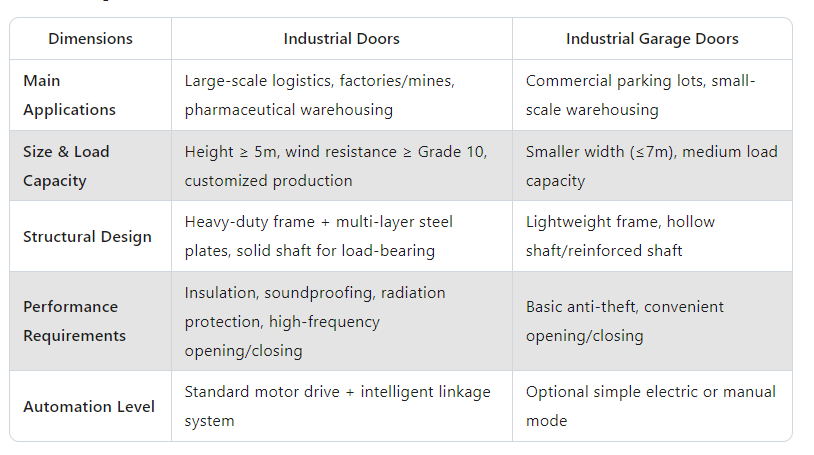
Cửa công nghiệp: Dịch vụ các nhà máy và mỏ quy mô lớn, trung tâm hậu cần, kho lạnh dược phẩm và các kịch bản khác, nó cần đáp ứng nhu cầu của giao thông tần số cao (chẳng hạn như vào và thoát xe nâng mọi thời tiết), thích ứng với môi trường khắc nghiệt (bảo quản nhiệt / cách nhiệt âm thanh / chống áp suất gió) và như vậy
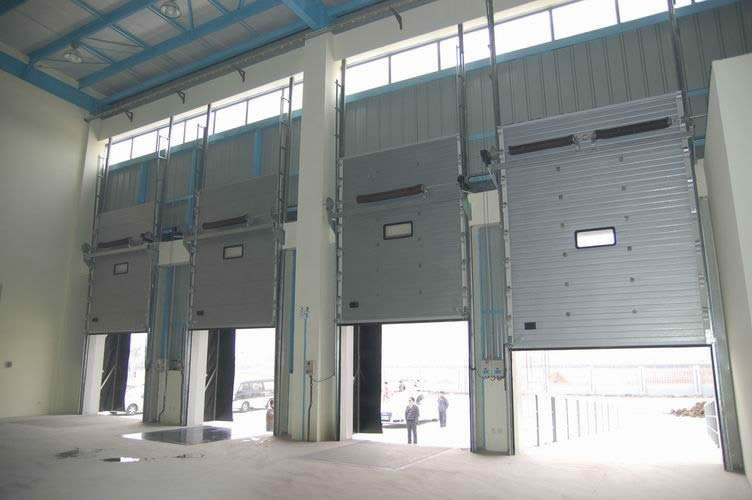
Cửa nhà để xe công nghiệp: tập trung vào bãi đậu xe thương mại và kho nhỏ, với sự tiện lợi của truy cập xe như cốt lõi, và có yêu cầu thấp cho khả năng thích ứng môi trường cực đoan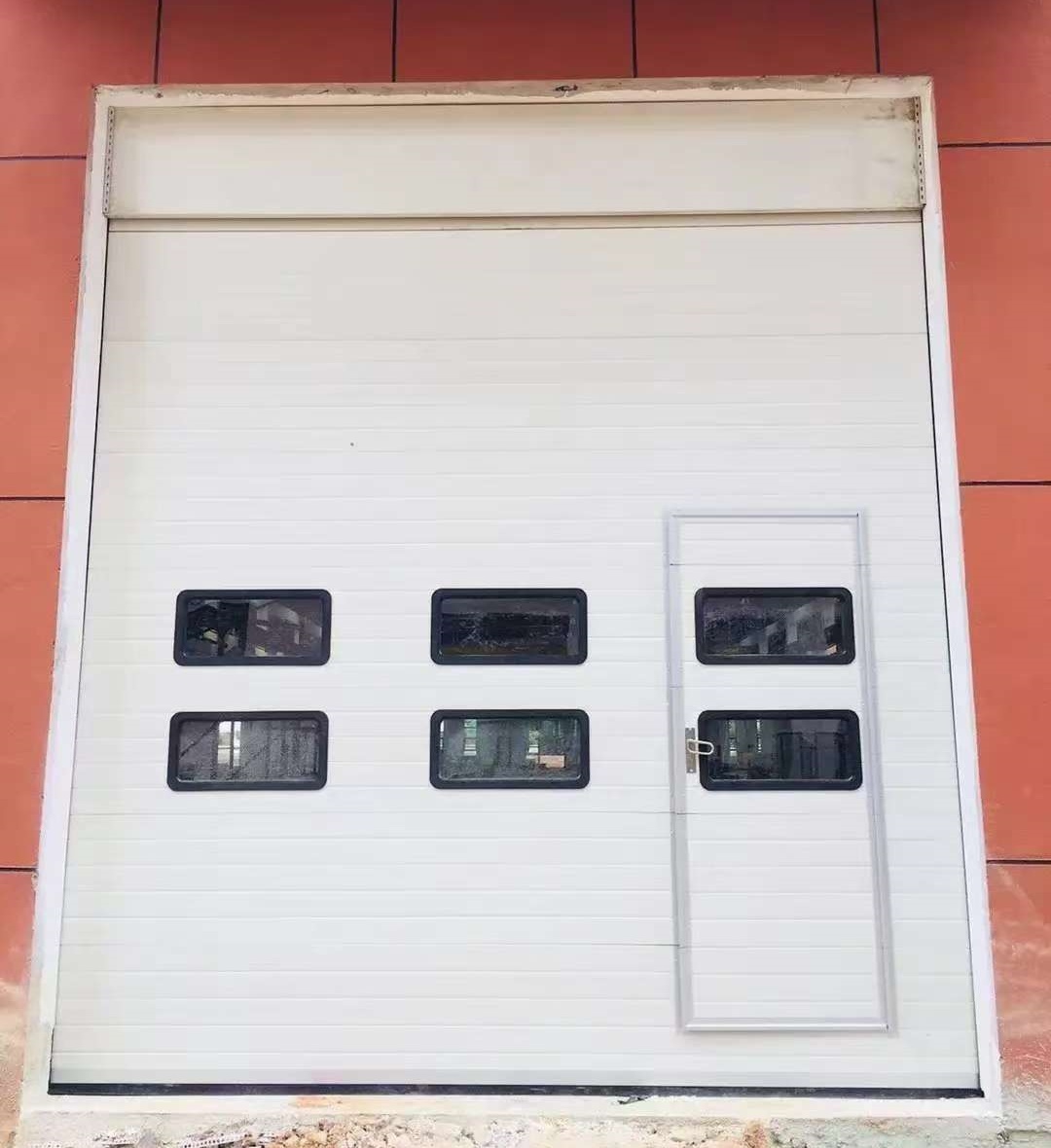
2. Sự khác biệt về cấu trúc và vật liệu
Cửa công nghiệp:
Khung và tấm cửa: Cấu trúc thép nặng Tấm thép mạ kẽm hai lớp, đầy polyurethane để tăng cường cách nhiệt và âm thanh (ví dụ: cửa thang máy công nghiệp)
Hệ thống vòng bi: thiết kế trục rắn, hỗ trợ hơn 10 mức độ chống gió, thích hợp cho cửa quá lớn (chẳng hạn như cửa máy bay lên đến hơn 70 mét vuông)
Cửa nhà để xe công nghiệp:
Vật liệu nhẹ hơn (hợp kim nhôm hoặc tấm thép lớp đơn), và trục hầu hết là trục rỗng dày để giảm chi phí và chiếm không gian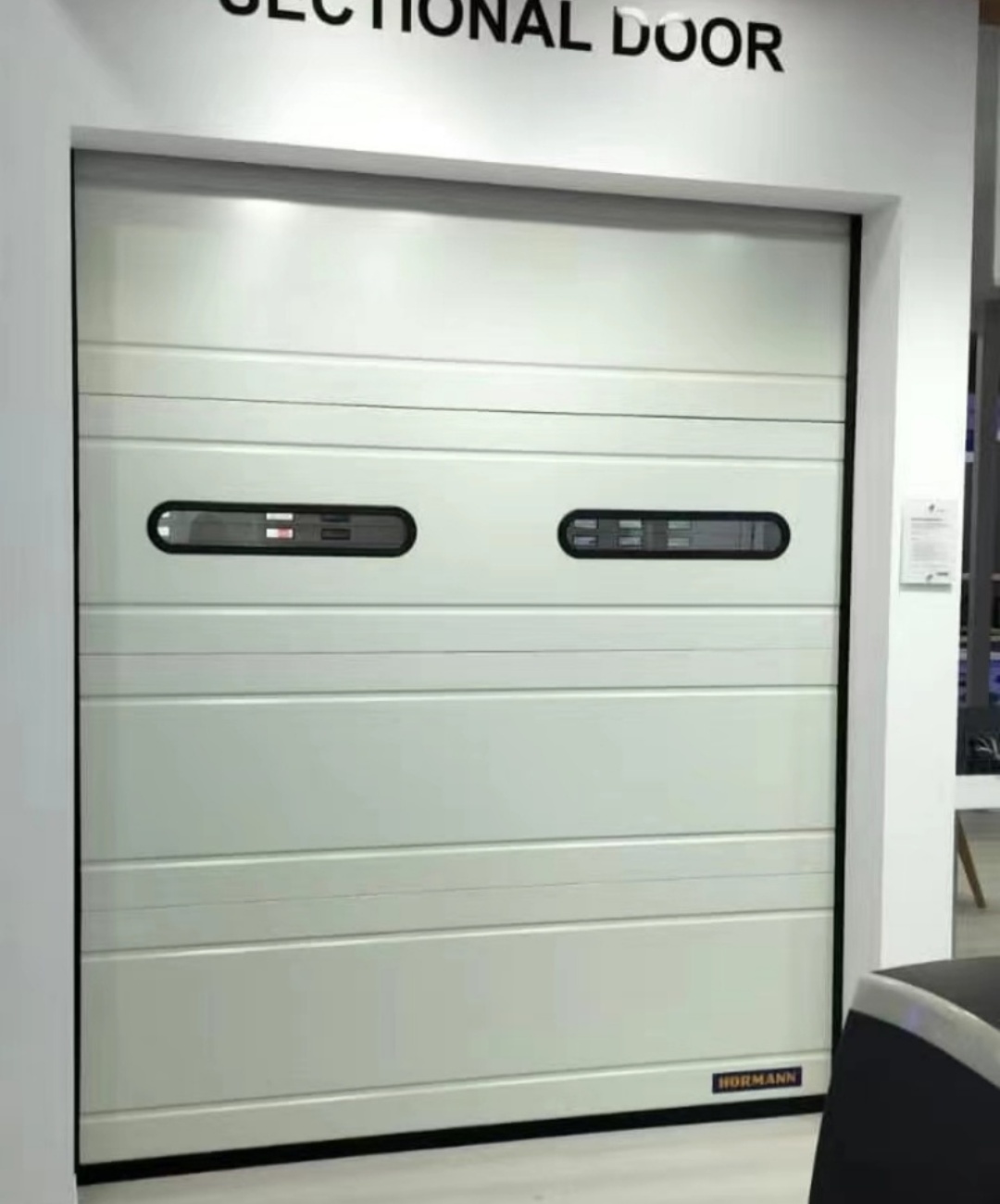 3. Đặc điểm kỹ thuật và chi phí
Cửa công nghiệp:
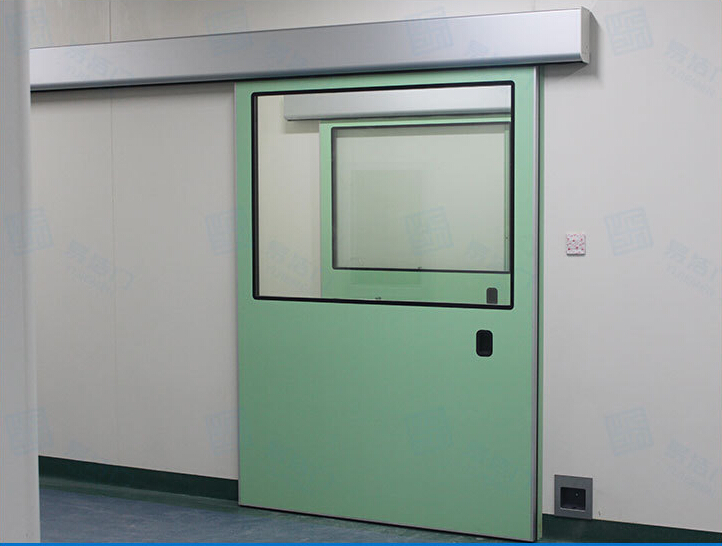
Tùy chỉnh cao: Do kích thước và chức năng đặc biệt (ví dụ: cửa chống bức xạ), hầu như không có sản xuất hàng loạt tiêu chuẩn hóa, dẫn đến chi phí cao hơn đáng kể so với cửa nhà để xe
Hệ thống thông minh: Các sản phẩm Hengjie tích hợp ổ đĩa động cơ, cảm ứng theo dõi, cảnh báo lỗi và hỗ trợ liên kết với hệ thống tự động hóa của nhà máy
Cửa nhà để xe công nghiệp:
Chức năng điều khiển từ xa điện cơ bản là trụ cột chính, và một số mô hình cao cấp có thể được nâng cấp lên "năm hiện đại hóa" (tự động hóa, trang trí, v.v.), nhưng chi phí tổng thể vẫn thấp hơn so với cửa công nghiệp
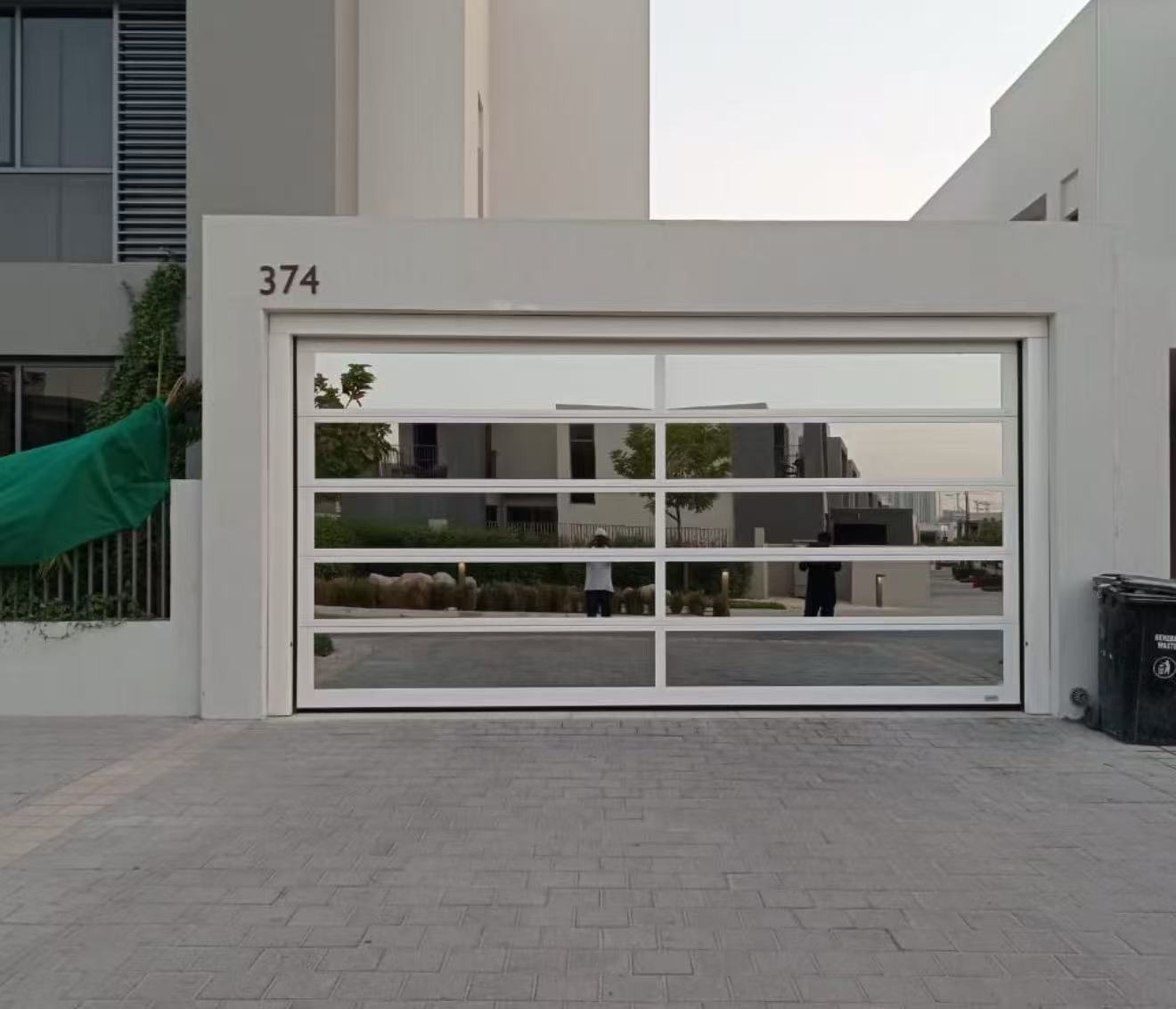
Cửa công nghiệp là nhiệm vụ nặng, hiệu suất cao và tùy chỉnh cao như cốt lõi để đáp ứng nhu cầu cực đoan của các kịch bản công nghiệp; Cửa nhà để xe công nghiệp chú ý nhiều hơn đến hiệu quả chi phí và các chức năng cơ bản, phục vụ các kịch bản thương mại nhỏ và vừa. Người dùng cần thực hiện một lựa chọn toàn diện dựa trên quy mô giao thông, yêu cầu môi trường và ngân sách của kịch bản thực tế
Q1: Sự khác biệt chính giữa cửa công nghiệp và cửa nhà để xe công nghiệp là gì?
A1: Cửa công nghiệp là rào cản chức năng cho các tòa nhà (ví dụ: nhà kho), nhấn mạnh niêm phong và tự động hóa, trong khi cửa nhà để xe công nghiệp lớn hơn và mạnh mẽ hơn, được thiết kế để truy cập xe hơi (ví dụ: xe tải) trong hậu cần hoặc hội thảo.
Q2: Các ứng dụng của họ khác nhau như thế nào?
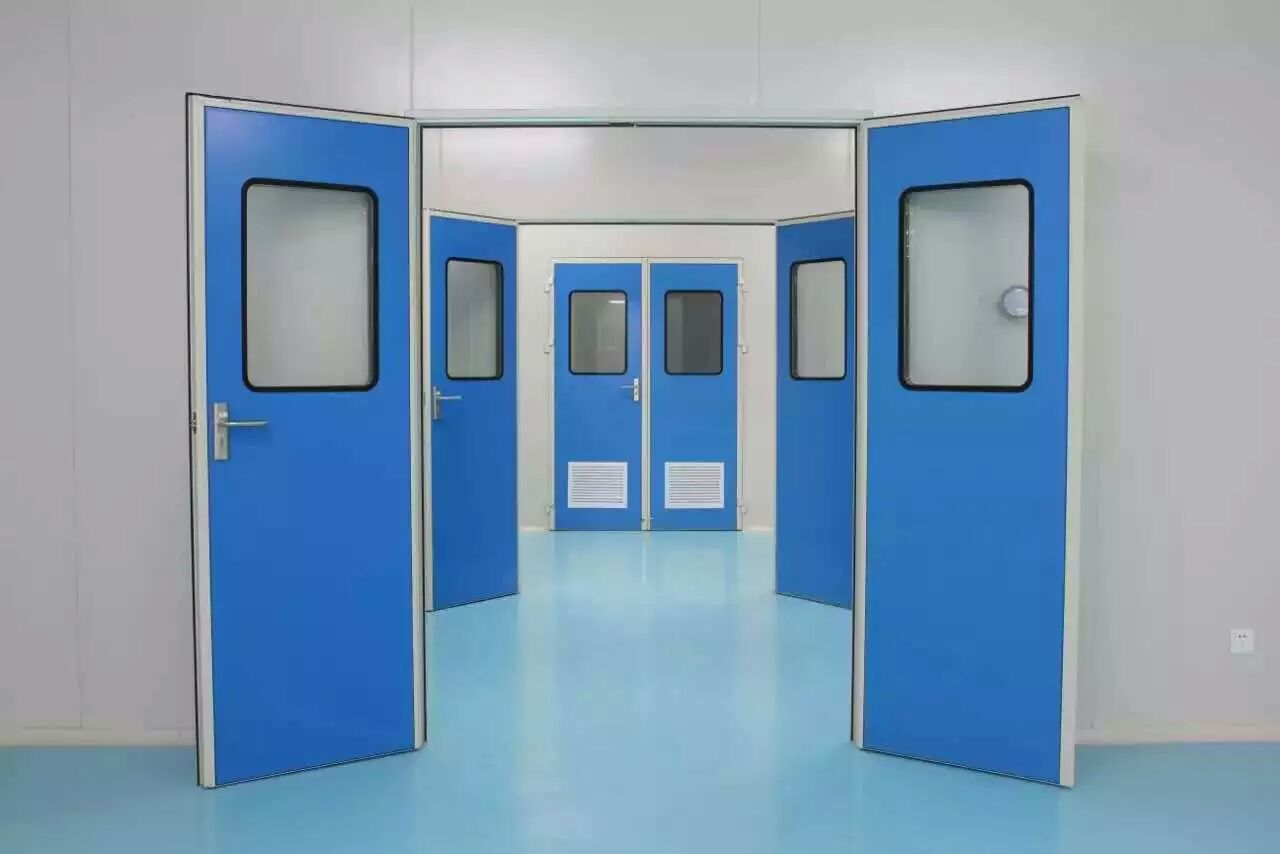
A2: Cửa công nghiệp tách biệt các khu vực trong nhà hoặc lối vào tòa nhà (ví dụ: phòng sạch); cửa nhà để xe công nghiệp phục vụ các địa điểm nặng như bến tàu tải hoặc hang.
Q3: Sự khác biệt vật chất là gì?
A3: Cửa công nghiệp sử dụng thép nhẹ, nhôm hoặc PVC để cách nhiệt; cửa nhà để xe công nghiệp ưu tiên thép / nhôm nặng với gia cố để chống tác động.
Q4: Họ có chia sẻ cùng một cơ chế mở?
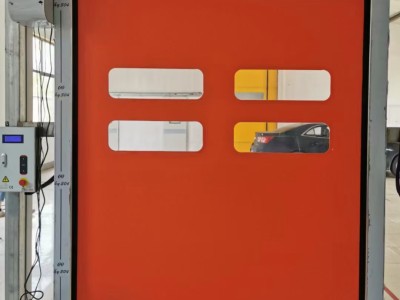
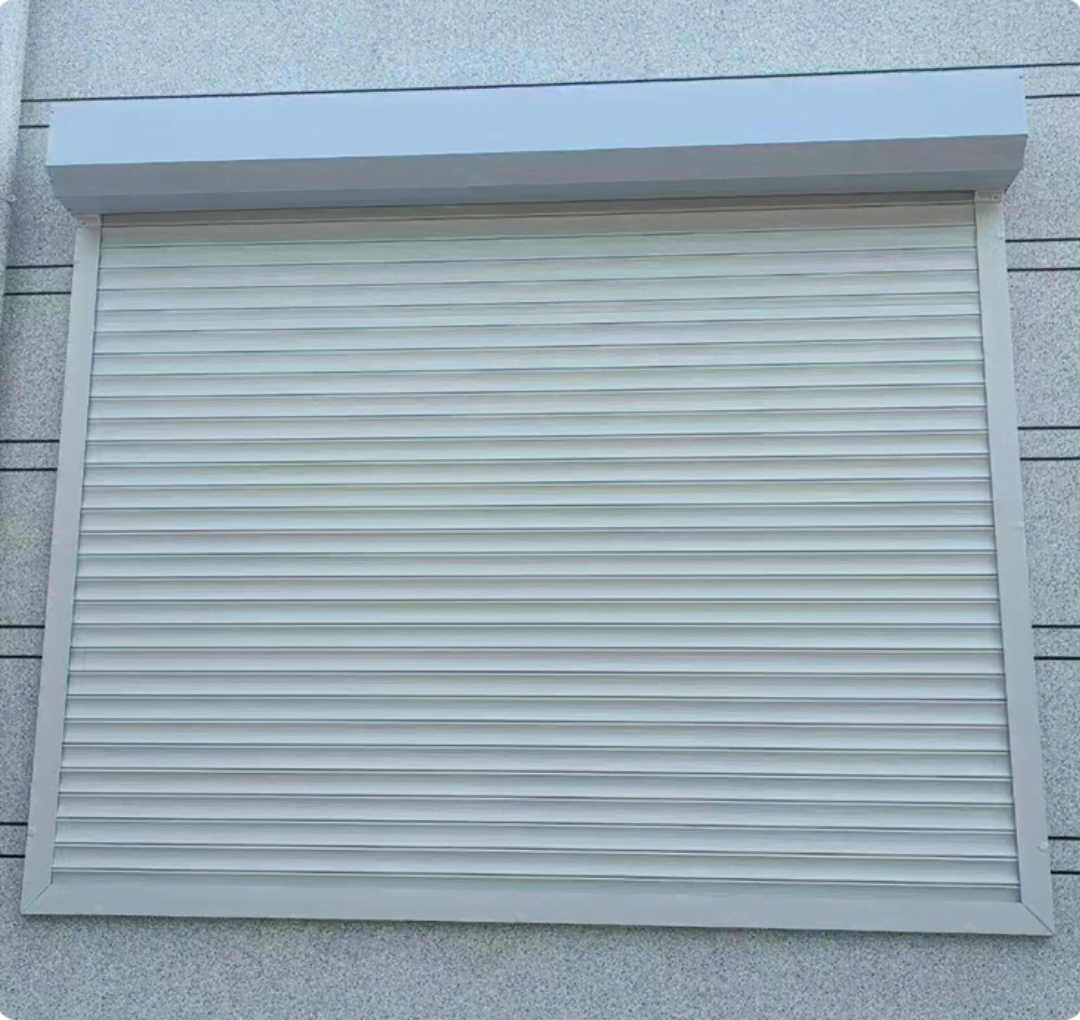
A4: Cửa công nghiệp thường trượt, gấp, hoặc cuộn lên nhanh chóng; cửa nhà để xe thường nâng dọc hoặc trượt sang bên để chứa các phương tiện lớn.
Q5: Những yếu tố nào là quan trọng để lựa chọn?
A5: Đối với cửa công nghiệp: niêm phong, tần số sử dụng và tự động hóa; cho cửa nhà để xe: khả năng tải, kích thước cửa và chống gió.
Sản phẩm được đề nghị
mới nhấtPụ kiện cửa tự động
- Cảm biến cạnh an toàn cho bảo vệ chống nghiền cửa cuộn nhanh
- Bộ hộp điều khiển động cơ Servo tốc độ cao 0,75KW - Giải pháp lái xe đáng tin cậy và hiệu quả
- 1.5KW Servo Motor & hộp điều khiển kết hợp - Hệ thống truyền động hiệu quả cao cho cửa công nghiệp
- Dây kéo cửa công nghiệp & Dây kéo cửa tốc độ cao - Phụ kiện cửa công nghiệp bền
- Hệ thống Servo tốc độ cao 0,75KW - Giải pháp công nghiệp đáng tin cậy và tiết kiệm năng lượng
- Các nhà sản xuất Bộ kích hoạt bàn đạp chân & Cảm biến rào cản quang điện an toàn cho cửa trượt y tế
- Dây kéo cửa công nghiệp & Dây kéo cửa tốc độ cao - Phụ kiện cửa công nghiệp bền
- Điều khiển từ xa rèm điện AOK-AC123 - Thiết kế không dây với ngăn kính acrylic chống mài mòn
- Nam châm vĩnh cửu AC động cơ servo đồng bộ với cơ chế giảm sâu cho cửa tốc độ cao
- Động cơ Servo đồng bộ chính xác cho cửa tốc độ cao - Giảm bánh răng sâu
- Công tắc cảm biến hồng ngoại không thấm nước mới gắn trên bề mặt
- Phụ kiện cửa cán nhanh PVC bền để tăng cường bảo mật
- Tự động sửa chữa cửa Zipper Nhựa / Polymer Rails
- Cảm biến cửa tự động thông minh để kiểm soát truy cập nhanh
- Hệ thống điều khiển cổng nhanh mềm 1.5kw Servo Motor và hộp điều khiển
- Kiểm soát truy cập tự động Bề mặt vuông gắn hồng ngoại không tiếp xúc chuyển đổi
- Dây đai sưởi điện tự giới hạn chống cháy nổ
- Vành đai sưởi ấm bằng điện tự kiểm soát nhiệt độ chống cháy nổ
- Vành đai sưởi ấm để chống đóng băng, sưởi ấm và bảo quản nhiệt của cửa lưu trữ lạnh
- Dây đai sưởi điện tự giới hạn chống cháy 40W